2025 Residency
Sallamari Rantala on Landscape, Material, and Memor
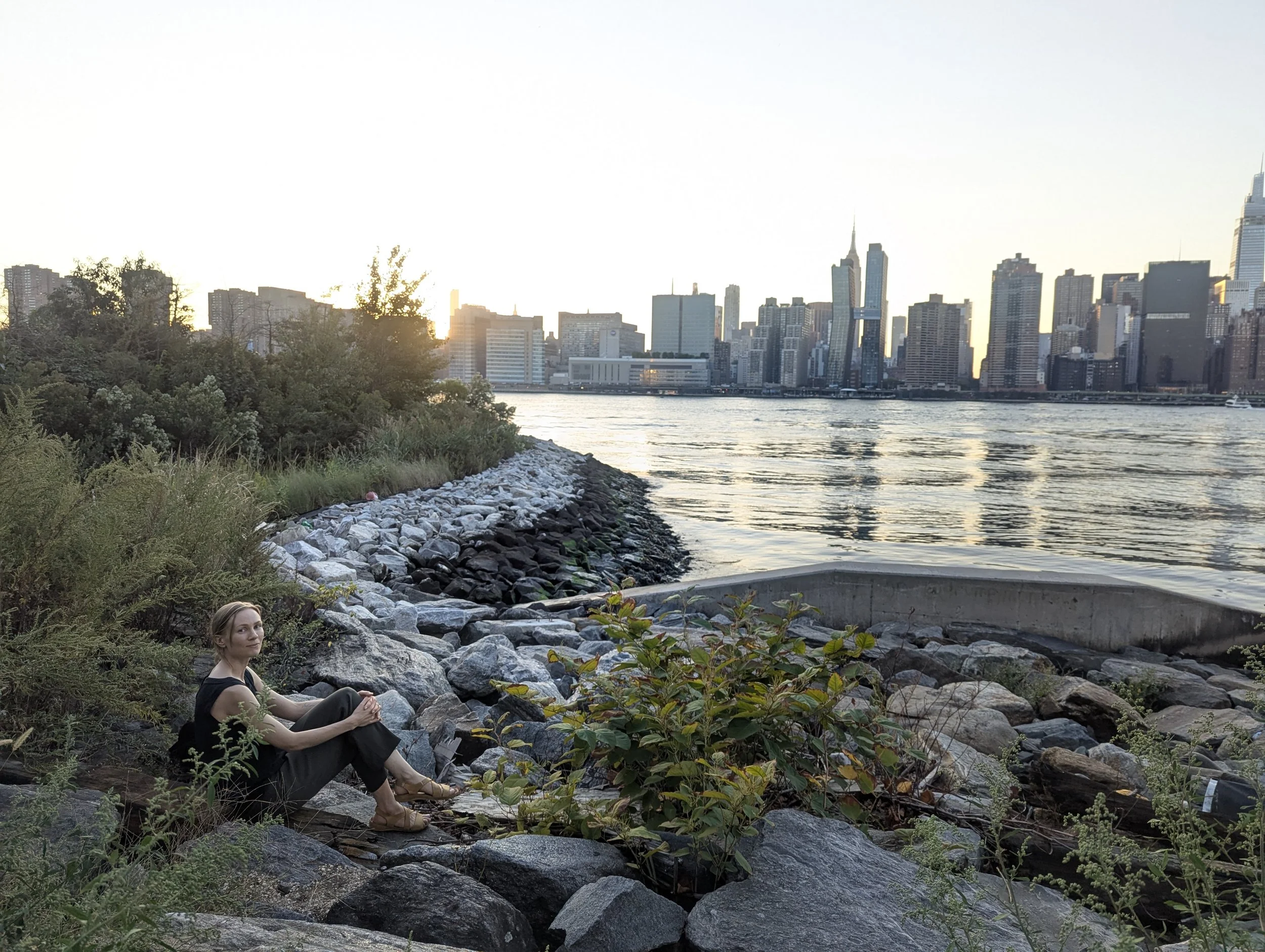
Photo by Johanna Härkönen
Sallamari Rantala is a Finnish artist who participated in the Triangle Arts Association’s Artist-in-Residence program in the summer and early fall. The residency was supported by the Finnish Cultural Foundation.
Rantala’s practice emerges from close observation of the movement and transformation of materials in her surroundings. Combining drawing with material-shaping techniques, she creates relief-like works that blur the boundary between surface and three-dimensionality, suggesting compositions and narratives embedded in the reciprocal relationship between form and material.
In recent years, her work has focused on exploring connections between landscape, memory, and history, layered through nonlinear narratives, transformation, and contradiction. Through the use of imitation stone techniques, where imitation itself mirrors the constructive nature of storytelling. Rantala reflects on how narratives about real places, people, and events are assembled, mediated, and reshaped.
𝗪𝗵𝗮𝘁 𝗯𝗿𝗼𝘂𝗴𝗵𝘁 𝘆𝗼𝘂 𝘁𝗼 𝗡𝗲𝘄 𝗬𝗼𝗿𝗸 𝗮𝗻𝗱 𝘁𝗼 𝘁𝗵𝗲 𝗧𝗿𝗶𝗮𝗻𝗴𝗹𝗲 𝗔𝗿𝘁𝘀 𝗿𝗲𝘀𝗶𝗱𝗲𝗻𝗰𝘆, 𝘄𝗵𝗮𝘁 𝗱𝗿𝗲𝘄 𝘆𝗼𝘂 𝗵𝗲𝗿𝗲 𝗮𝘁 𝘁𝗵𝗶𝘀 𝗽𝗼𝗶𝗻𝘁 𝗶𝗻 𝘆𝗼𝘂𝗿 𝗽𝗿𝗮𝗰𝘁𝗶𝗰𝗲?
My background is I was drawn here because of my ongoing interest in landscape, both as a physical environment and as a conceptual framework. In my work I think a lot about the relationship between the traditional idea of the landscape and the built environment. I think of landscape in an expanded sense, which includes both, because I see that all architectural and infrastructural materials originate from specific landscapes, and I want to acknowledge those layered connections.
This ties to my broader interest in how materials, humans and ideas are constantly moving, and how that movement can raise questions about belonging, place and multilocal identity. Coming to New York felt like a way to explore these questions on another scale. I couldn’t know exactly what the city would offer, but I felt a pull toward its features and complexities, and it’s proven deeply relevant to the processes I’ve been exploring.
In recent years, I’ve also been reflecting on scale in a more formal sense. I used to work with very small forms and details, as a way to understand how the larger whole is made up of small relationships and interactions. Lately I have wanted to test whether I could scale up these small elements in my work, as if to see them and their message better, clearer. New York with its monumental built landscape, seemed like the right place to get face to face with that sense of scale.
𝗬𝗼𝘂𝗿 𝘄𝗼𝗿𝗸 𝗼𝗳𝘁𝗲𝗻 𝗱𝗲𝗮𝗹𝘀 𝘄𝗶𝘁𝗵 𝗽𝗹𝗮𝗰𝗲, 𝗺𝗲𝗺𝗼𝗿𝘆, 𝗮𝗻𝗱 𝗺𝗮𝘁𝗲𝗿𝗶𝗮𝗹 𝗵𝗶𝘀𝘁𝗼𝗿𝗶𝗲𝘀. 𝗛𝗼𝘄 𝗱𝗶𝗱 𝘁𝗵𝗲 𝗰𝗶𝘁𝘆 𝗮𝗻𝗱 𝗶𝘁𝘀 𝗹𝗮𝘆𝗲𝗿𝗲𝗱 𝗲𝗻𝘃𝗶𝗿𝗼𝗻𝗺𝗲𝗻𝘁𝘀 𝗿𝗲𝘀𝗼𝗻𝗮𝘁𝗲 𝘄𝗶𝘁𝗵 𝘁𝗵𝗲𝘀𝗲 𝘁𝗵𝗲𝗺𝗲𝘀?
In my practice I like to use the concept of landscape, and in a very expanded way. To me the landscape is layered: it is my materials, aesthetics and a theme, but also social, historical and geological actors and witnesses. In that sense the city can be seen as many overlapping landscapes. Each building contains traces of other places, and you can literally follow the path of a stone extracted from one site and brought to a corner of a skyscraper here. The city’s building history is unusually well documented, and learning about the material stories has been an important source of reflection for me.
My work focuses on small, precise and personal landscapes, but being in New York has allowed me to see how those intimate scales connect with larger systems of movement and change. To me the heart of the city is built on movement, people arriving, materials circulating, ideas reshaping the landscape and lives. When I think of moving into a new landscape, if it was across countries or just to another town, I am interested in that process of encountering the unknown landscape and gradually making it familiar. Much of my practice revolves around the experience of belonging: how we relate to a landscape, and how recognized and acknowledged multilocal identity can deepen the relationship with materiality, place, past and future, with things that are important especially as something we share.
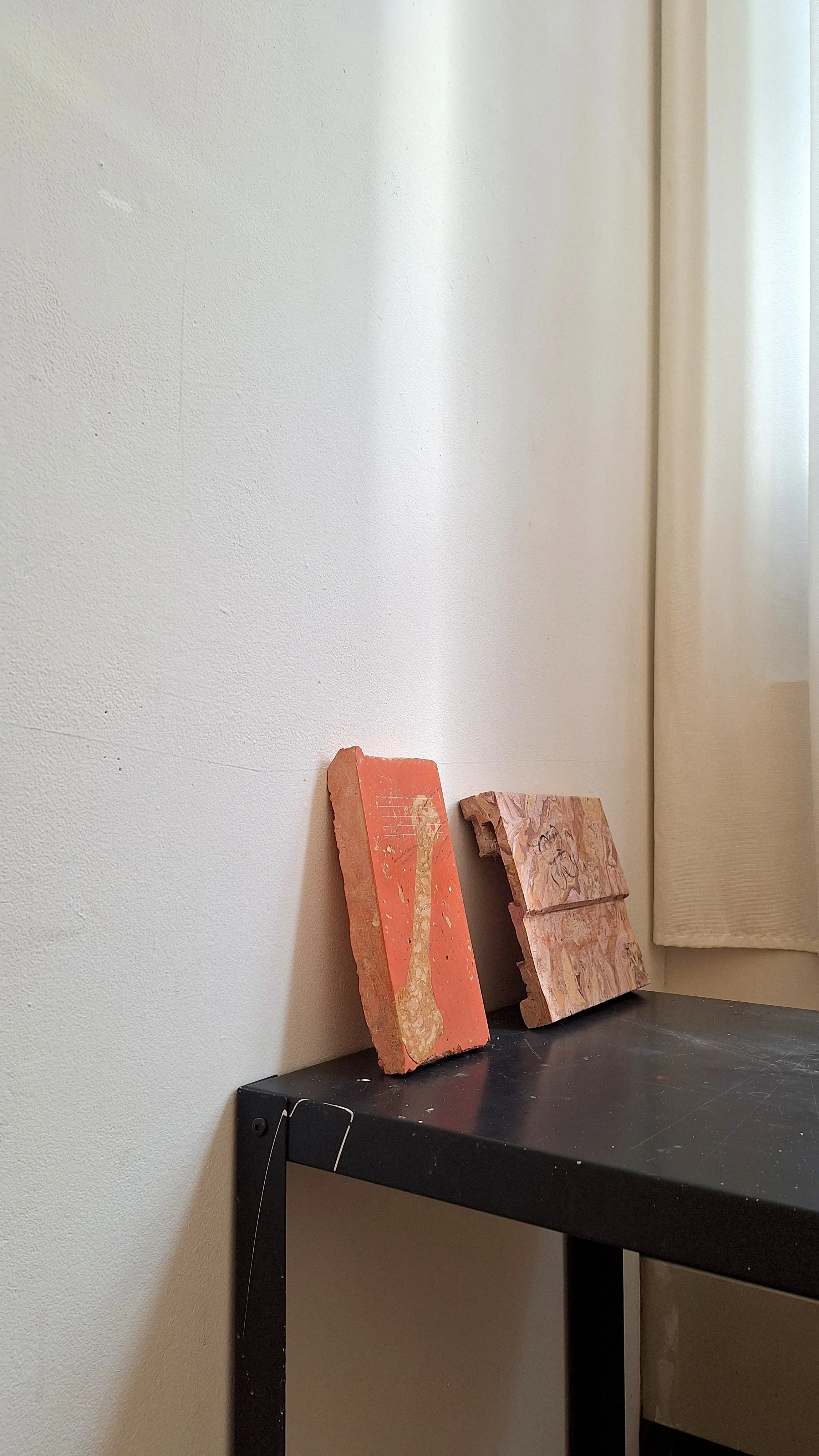
I have also been inspired by the city’s stone structures and their stories, like its skyscrapers and the earliest gravestones of the colonists. I often work with imitation stone techniques such as plaster-based scagliola and sand relief. I am drawn to stone for its monumentality but also for its sensitivity and fragileness, constant eroding, change and transformation. Materials like plaster and sand can hint towards some of the stone’s qualities, but as re-formed, constructed and more fragile, their potential might lay there, that they reveal something human: the desire for permanence and stability, not the actual state of reality.

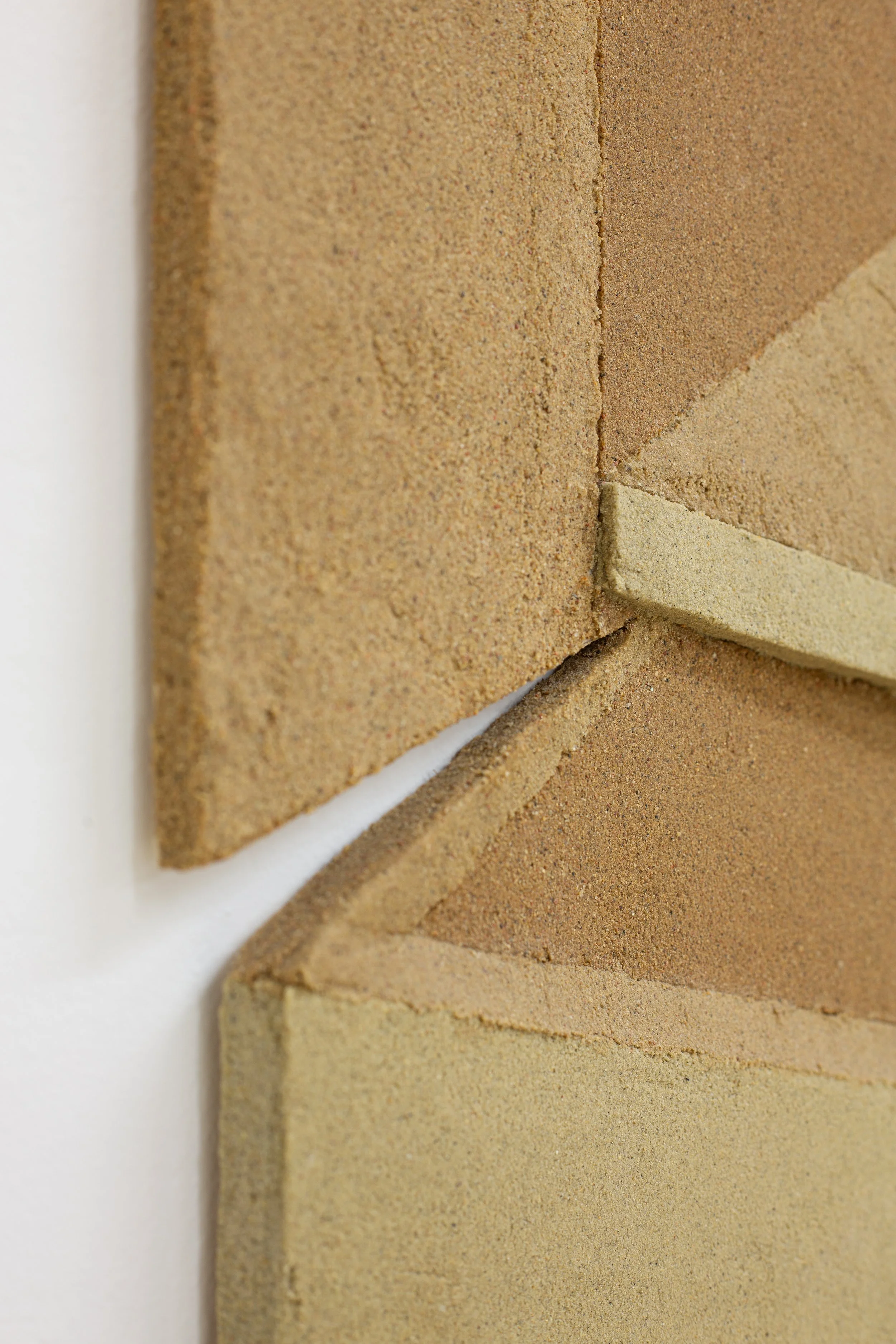

1. Unanswering Drawer, 2024, Gathered and bought sand, PVA glue, plywood, 92,5 x 34,5 x 3 cm. Photo by Editorial gallery
2. Unanswering Drawer_detail. Photo by Editorial gallery
3 Becoming Sandcastle, 2024, Gathered and bought sand, PVA glue, plywood, 51,5 x 34 x 3 cm. Photo by Editorial gallery
𝗗𝗶𝗱 𝘀𝗼𝗺𝗲𝘁𝗵𝗶𝗻𝗴 𝘀𝗵𝗶𝗳𝘁 𝗶𝗻 𝘆𝗼𝘂𝗿 𝘁𝗵𝗶𝗻𝗸𝗶𝗻𝗴 𝗼𝗿 𝗽𝗿𝗮𝗰𝘁𝗶𝗰𝗲 𝗱𝘂𝗿𝗶𝗻𝗴 𝘁𝗵𝗲 𝗿𝗲𝘀𝗶𝗱𝗲𝗻𝗰𝘆, 𝗽𝗲𝗿𝗵𝗮𝗽𝘀 𝗮𝗻 𝗲𝗻𝗰𝗼𝘂𝗻𝘁𝗲𝗿, 𝗮 𝗺𝗼𝗺𝗲𝗻𝘁, 𝗼𝗿 𝗮 𝗺𝗮𝘁𝗲𝗿𝗶𝗮𝗹?
I expect to see the impact of the residency with time, I believe it is a slower process. Many moments were truly impressive and insightful but how the experiences and thoughts find their way to your practice is an unpredictable, often surprising process. The chance to meet with so many people in the local art field was definitely something I value. Those encounters were meaningful and thought-provoking, but their influence on my practice is harder to define yet.
Something I noticed during the residency was how preparing for the studio visits and meetings pushed me to advance the work more quickly. The conversations encouraged me to refine ideas and sketch new variations. I was always so curious about how visitors would respond, and that loop created a certain energy, a productive kind of pressure.
I also faced a very practical and interesting challenge working in New York. The materials I use are heavy, and I had to consider what I could realistically bring back home. This limitation turned out to be productive. It opened me to a mindset where I treated everything I made as a sketch, to experiment freely without becoming too attached to any single object. This state helped me avoid getting stuck on first ideas and allowed the work to evolve faster.
𝗪𝗵𝗮𝘁 𝘄𝗲𝗿𝗲 𝘆𝗼𝘂 𝘄𝗼𝗿𝗸𝗶𝗻𝗴 𝗼𝗻 𝘄𝗵𝗶𝗹𝗲 𝗶𝗻 𝗡𝗲𝘄 𝗬𝗼𝗿𝗸? 𝗖𝗼𝘂𝗹𝗱 𝘆𝗼𝘂 𝘁𝗲𝗹𝗹 𝘂𝘀 𝗮 𝗯𝗶𝘁 𝗮𝗯𝗼𝘂𝘁 𝘁𝗵𝗲 𝗽𝗿𝗼𝗷𝗲𝗰𝘁 𝗼𝗿 𝗽𝗿𝗼𝗰𝗲𝘀𝘀𝗲𝘀 𝘆𝗼𝘂’𝘃𝗲 𝗲𝘅𝗽𝗹𝗼𝗿𝗲𝗱 𝗵𝗲𝗿𝗲?
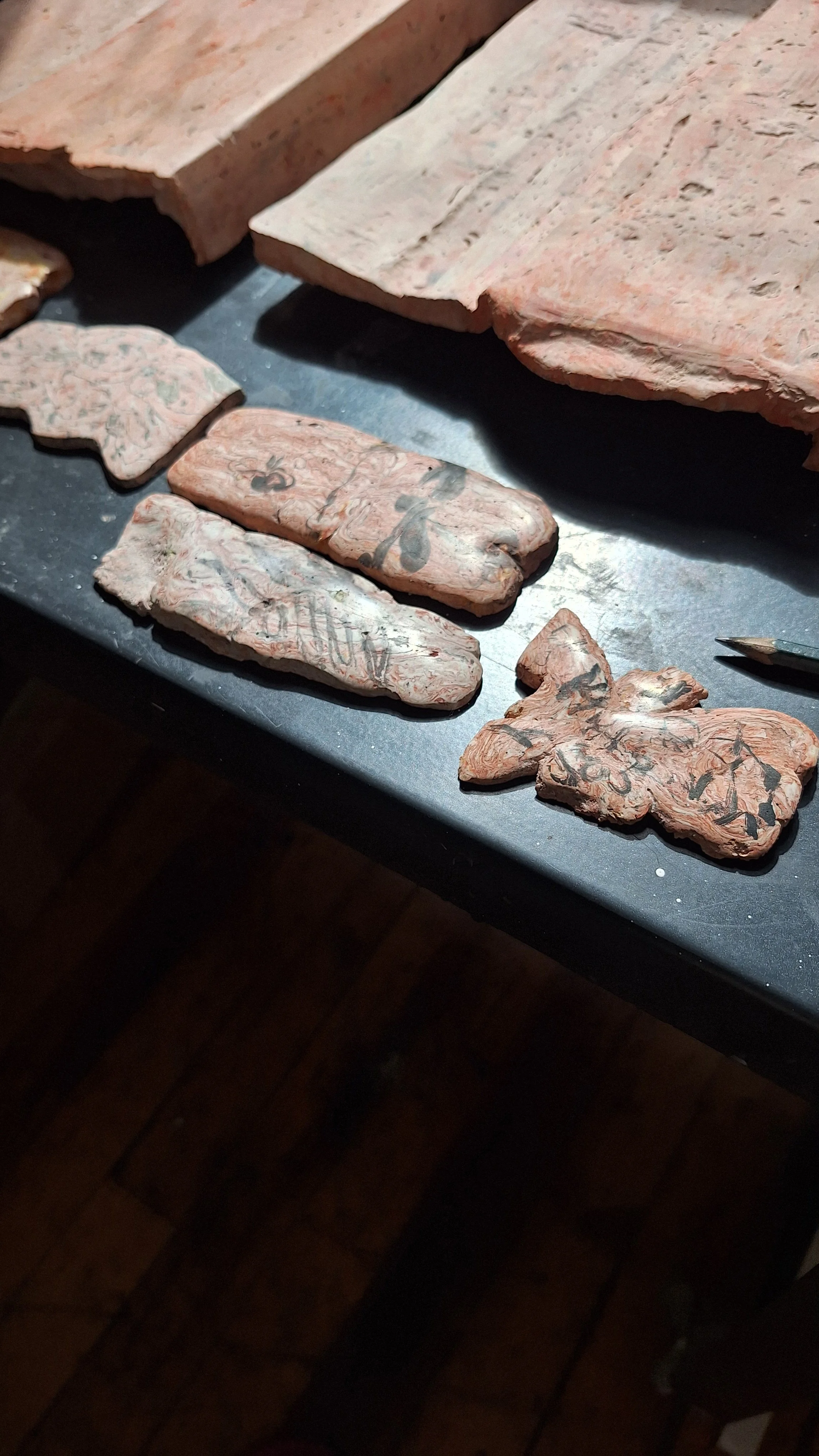
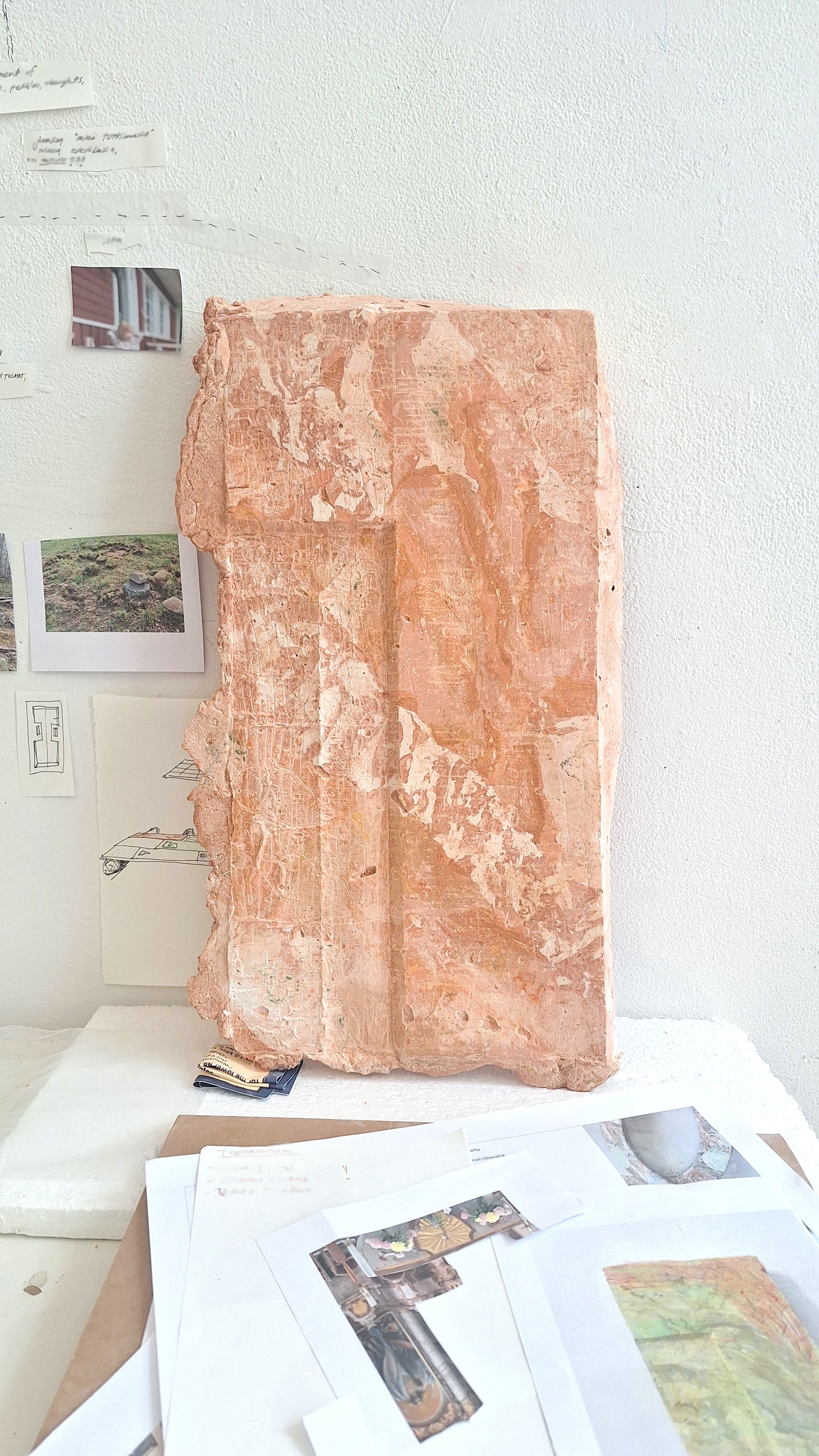
During the residency I focused on developing the aesthetic and conceptual potential of a plaster-based imitation stone technique scagliola. I carried out various color and form experiments but one key motif I wanted to clarify was that of a door. That would eventually take shape as a fragmented stone door relief. The form is based on the door of my great grandmother’s house. In front of the stony door I experience the distance to the landscape dear to me, distance to the family stories faded in time, and distance to the other, a person or a material entity. At the same time there is a chance that the door is left ajar. The door interests me as a metaphor for passage and movement, it’s a threshold through which one can move in or out. In my work, I want to focus on the liminal condition in which direction, movement, and agency are not fixed but remain open to multiple possibilities. There are so many ways to realize this vision, but after various approaches I might have found something which tingles me.
Another direction that emerged in my process was working with oral histories related to the landscape. I have collected material for this project for a year before coming to New York. Alongside my usual material collecting, I found myself gathering stories and memories, which became a totally unexpected archive. This was a new and somewhat confusing material for me, and I wasn’t sure how to approach it as an art material. The Triangle wonderfully helped me to organise a conversation event with artists and other practitioners who work with oral history, which became a meaningful moment of exchange. The conversation offered both clarity and new references for further study, and helped me see how this material might integrate into my material practice in the future.
𝗪𝗵𝗮𝘁 𝗱𝗼 𝘆𝗼𝘂 𝘁𝗮𝗸𝗲 𝘄𝗶𝘁𝗵 𝘆𝗼𝘂 𝗳𝗿𝗼𝗺 𝘁𝗵𝗶𝘀 𝗿𝗲𝘀𝗶𝗱𝗲𝗻𝗰𝘆, 𝘀𝗼𝗺𝗲𝘁𝗵𝗶𝗻𝗴 𝘁𝗵𝗮𝘁 𝘄𝗶𝗹𝗹 𝘀𝘁𝗮𝘆 𝗶𝗻 𝘆𝗼𝘂𝗿 𝗽𝗿𝗮𝗰𝘁𝗶𝗰𝗲 𝗺𝗼𝘃𝗶𝗻𝗴 𝗳𝗼𝗿𝘄𝗮𝗿𝗱?
I really value the experience of changing a place as a way to refresh one’s thinking and ways of working. My time in New York gave me good material to refine my studio practice. Residency periods are always a bit separate, special bubbles from everyday life, which allows a certain kind of focus and freedom for experimentation. I want to carry some of that mindset into my home studio, to recognize more of those moments when there’s no need to rush towards a finished work, and brave yet another detour. The city has this atmosphere of a certain kind of bravery, and I think I got very impressed by that. It has a very nice tone.
I will take with me all the experiences, both the professional encounters and the time spent exploring the city with my family. It was deeply meaningful to share part of this period with my partner and child, that shared experience enriches everything. I think it also reminded me how interwoven life and practice are, how shared presence can shape perception, and how much inspiration can come from simply being together in a new environment.
Looking ahead, I am eager to get back to the studio and work with the next steps with the project I started during the residency. I see it as a long process with both production based parts mixed with various experimental stages with form, color and material. My immediate focus is on a small exhibition in my hometown, which will bring together some earlier works connected to the area’s archeology and material histories. With this show I will revisit the questions of very specific places and belonging from a very local, yard specific perspective. Next autumn, I will have an exhibition in northern Finland where I hope to integrate some of the experiments and processes that started in New York.
Website: sallamarirantala.xyz
Interview questions by Emma Termonen
Published: December 17, 2025