2026 Residency
iida jonsson and ssi saarinen on the Writings of Jennie June
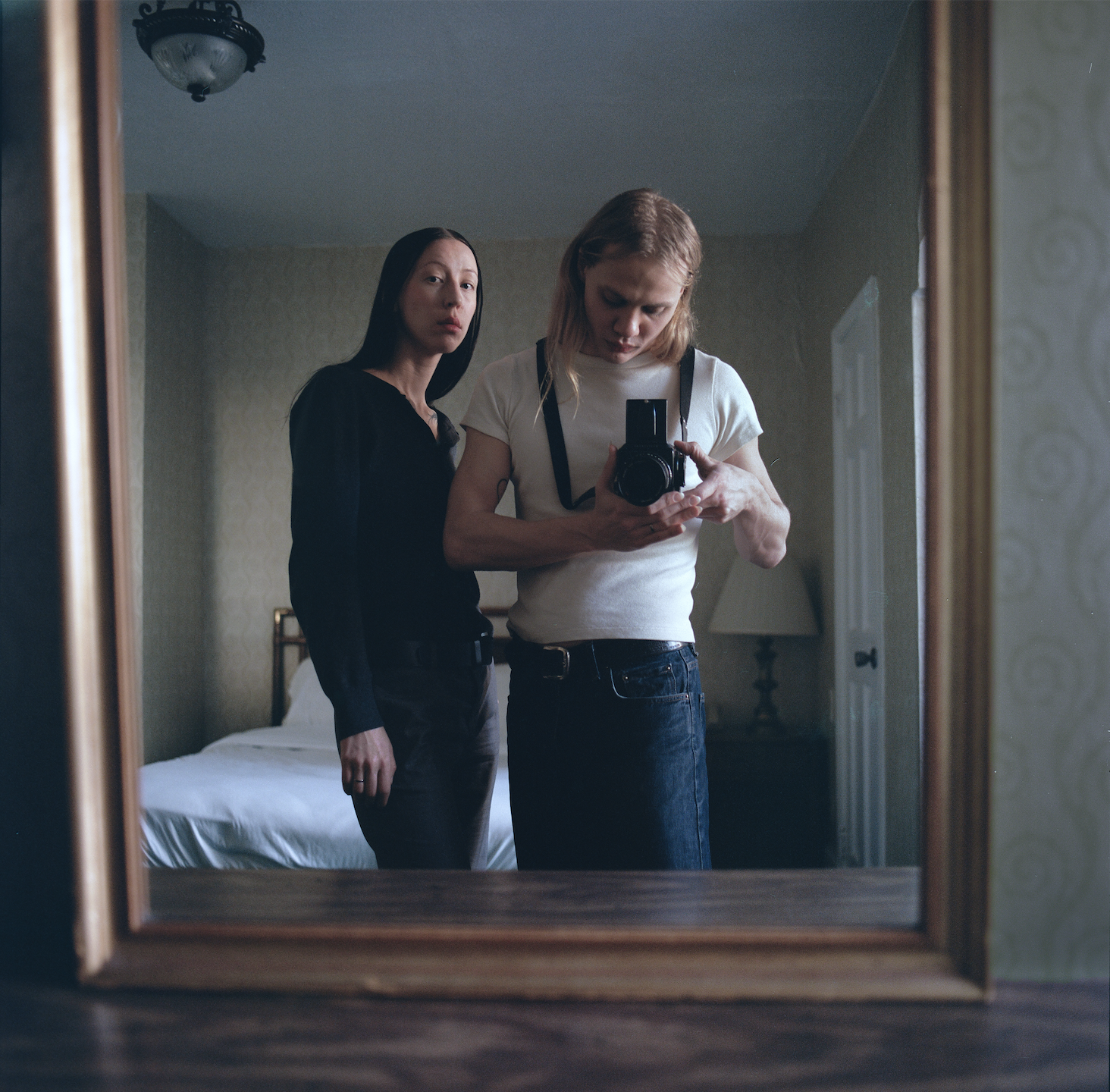
Photo by iida jonsson and ssi saarinen
iida jonsson and ssi saarinen are a Finnish artist duo, working with film and photography. The three first months of this year they lived in New York as FCINY’s artists-in-residence. Many of their days were spent at Pioneer Works, an arts organization located in Red Hook, Brooklyn, where they had their studio. During their residency they have deepened their research into identity, visibility, and belonging by engaging with the writings of Jennie June, whose autobiographies have long remained at the margins of both literary and queer canons. June’s often overlooked texts are among the earliest published writings by a trans non-binary author.
We caught up with them to discuss their time in New York and how their research and work has progressed.
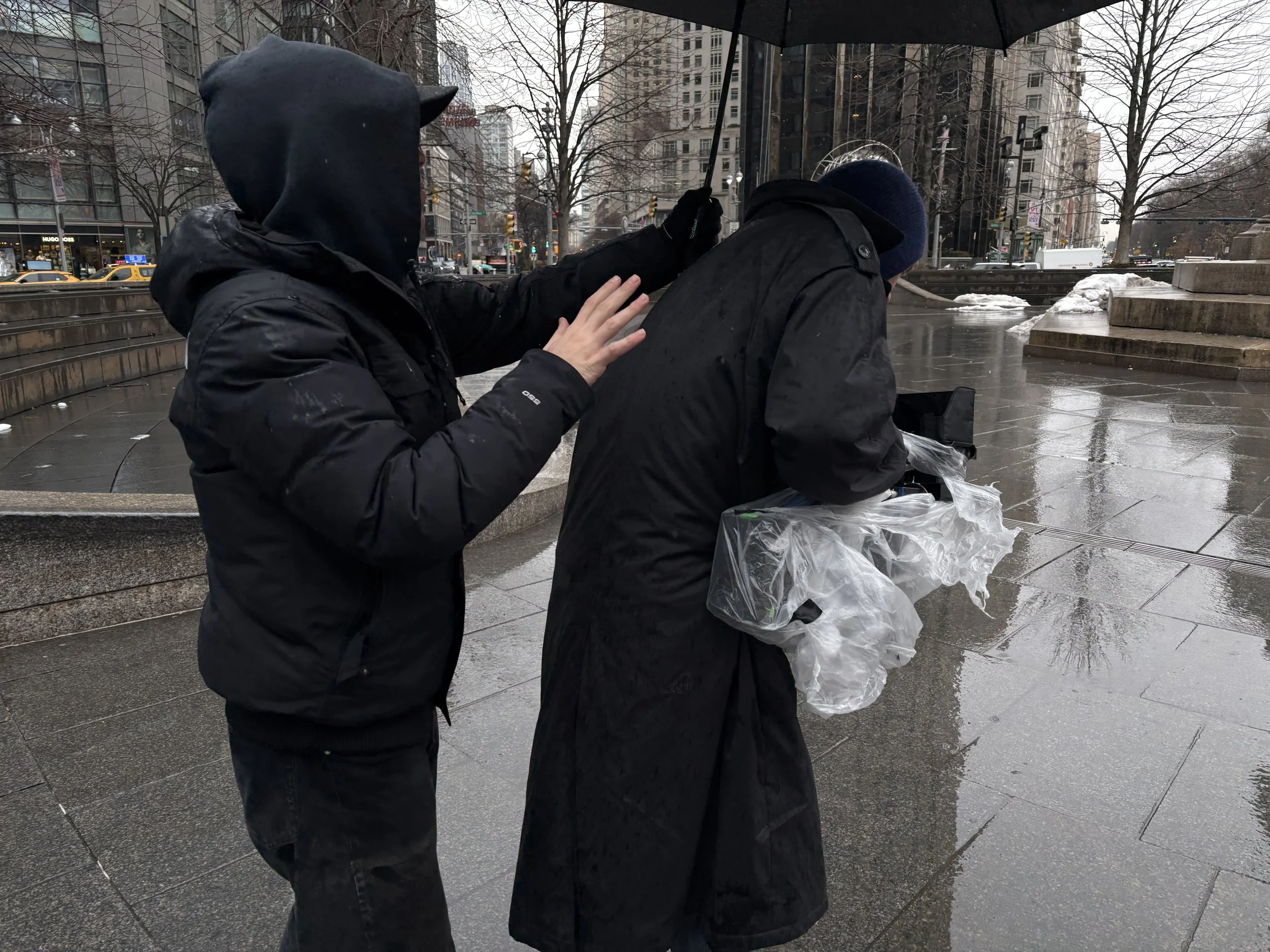
Photo by iida jonsson and ssi saarinen
Can you each tell us a little bit about your backgrounds? How did your individual artistic paths begin, and how did your paths evolve into a shared practice?
We both started working with film very early, and actually met in high school, where we began making films together. As teenagers we had our own small production company, and for several years we experimented with various forms of moving images. Ssi worked as a cinematographer and camera operator in Stockholm, including on music videos for Avicii. Later, during our MFA studies at the Sandberg Instituut, this background in film became the foundation for the artistic practice that we now share.
You’ve both lived in New York before. What made you want to return for this residency, and how does being back feel now?
We had both spent a lot of time in New York before, and returning now was very connected to our current research relating to the writer Jennie June. So many of the places she writes about are areas we also know, have lived in, or moved through ourselves. Coming back through her story has allowed us to get closer to her, and to the traces of a life that is still very present but not visible.
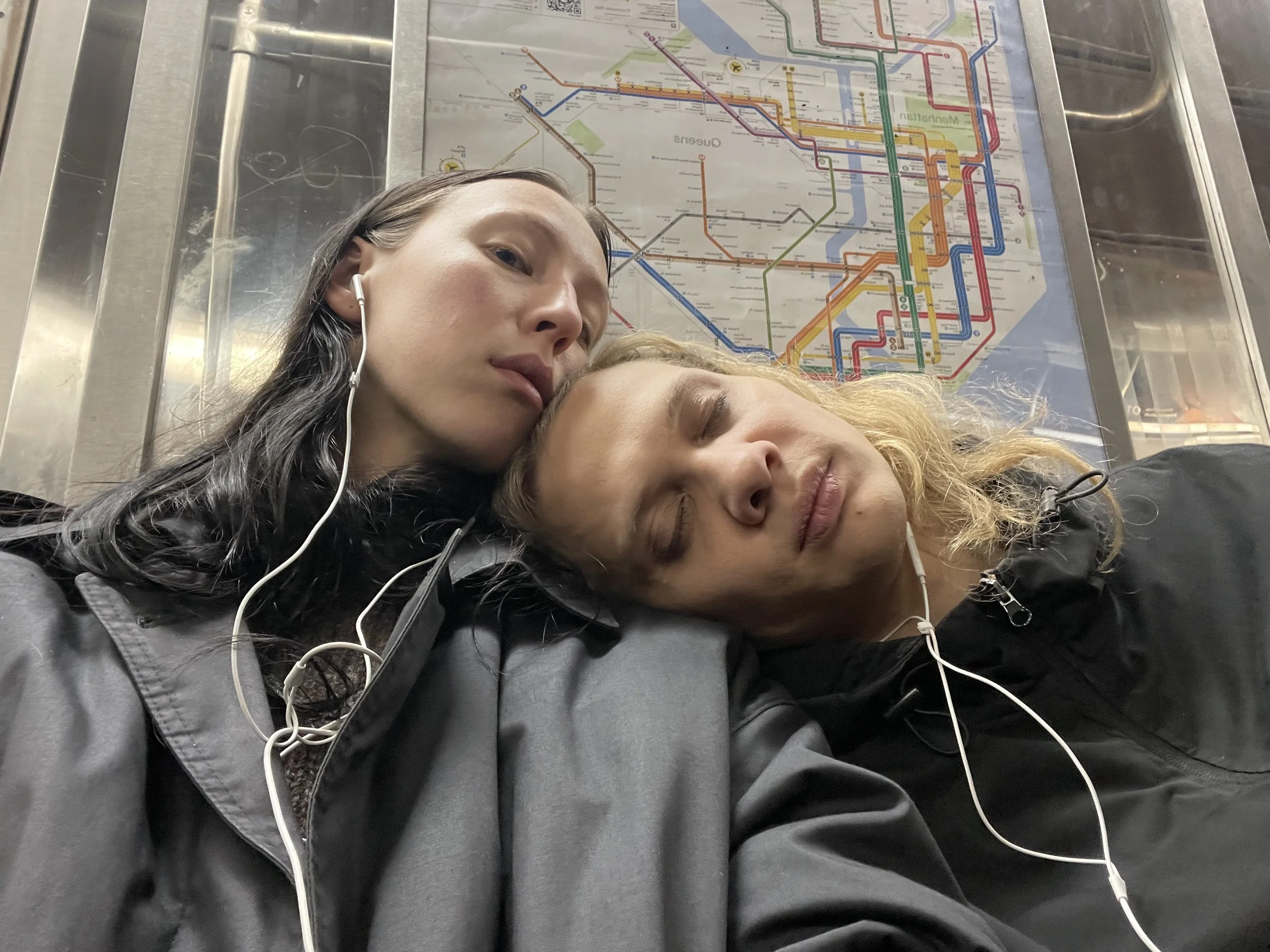
Photo by iida jonsson and ssi saarinen
Can you tell us about the project you’ve been working on during the residency?
We are developing a film and photographic project based on New York author Jennie June, whose autobiographies are among the earliest published texts by someone we might today understand as a trans or non-binary. Her writing was edited and framed through medical and legal language, but we are interested in reading it also as literature, as erotic writing, and as a score for cinematography. During the residency, we have been working with her texts, archival images, and the places she describes, discussing about what it meant for her life to have her story pathologized.
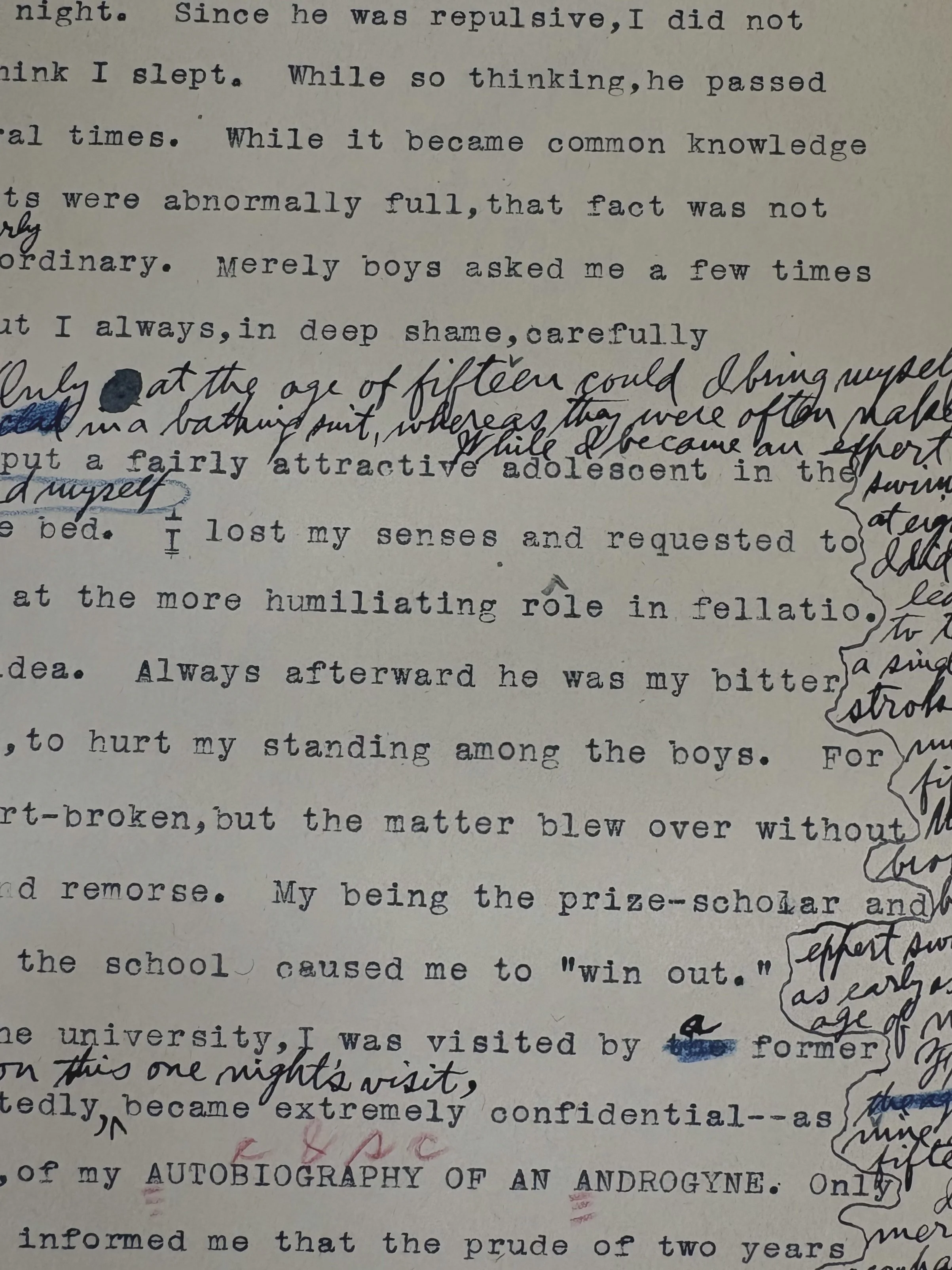
Photo by iida jonsson and ssi saarinen
You took a field trip to Washington during your residency, what were you hoping to explore or discover there?
We went to Washington to visit the National Library of Medicine, where the manuscript of June’s unpublished third book, The Riddle of the Underworld, is held. It exists in the Victor Robinson papers - - Robinson was the medical editor connected to June’s later work. We wanted to document and photograph the manuscript, but also to see what else might be present in the archive. Since the book was never published, there is something very moving about encountering it now, more than a hundred years later, and thinking about how it might finally re-enter the world.
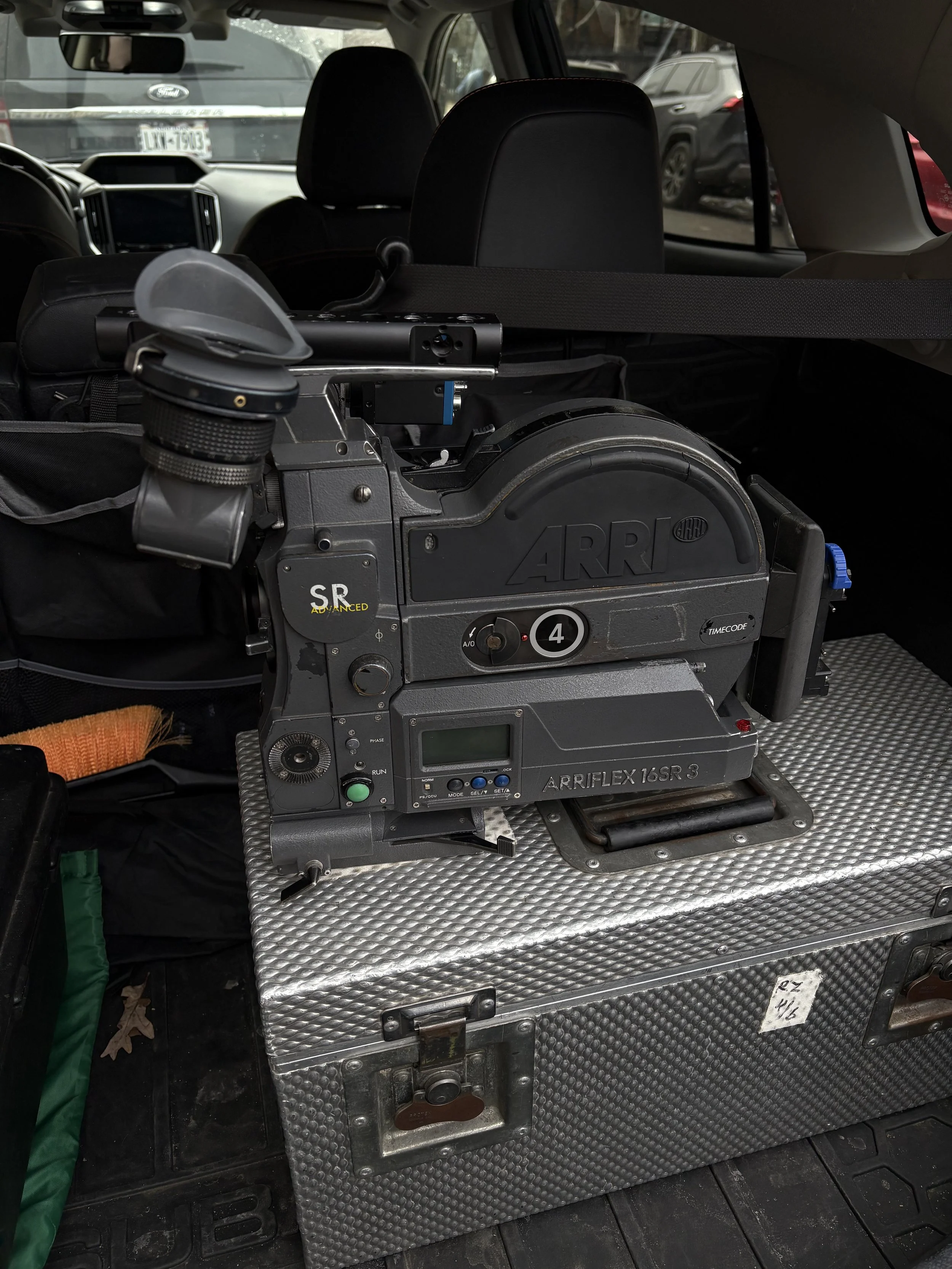
You filmed at many different locations, how did you decide what locations to film at?
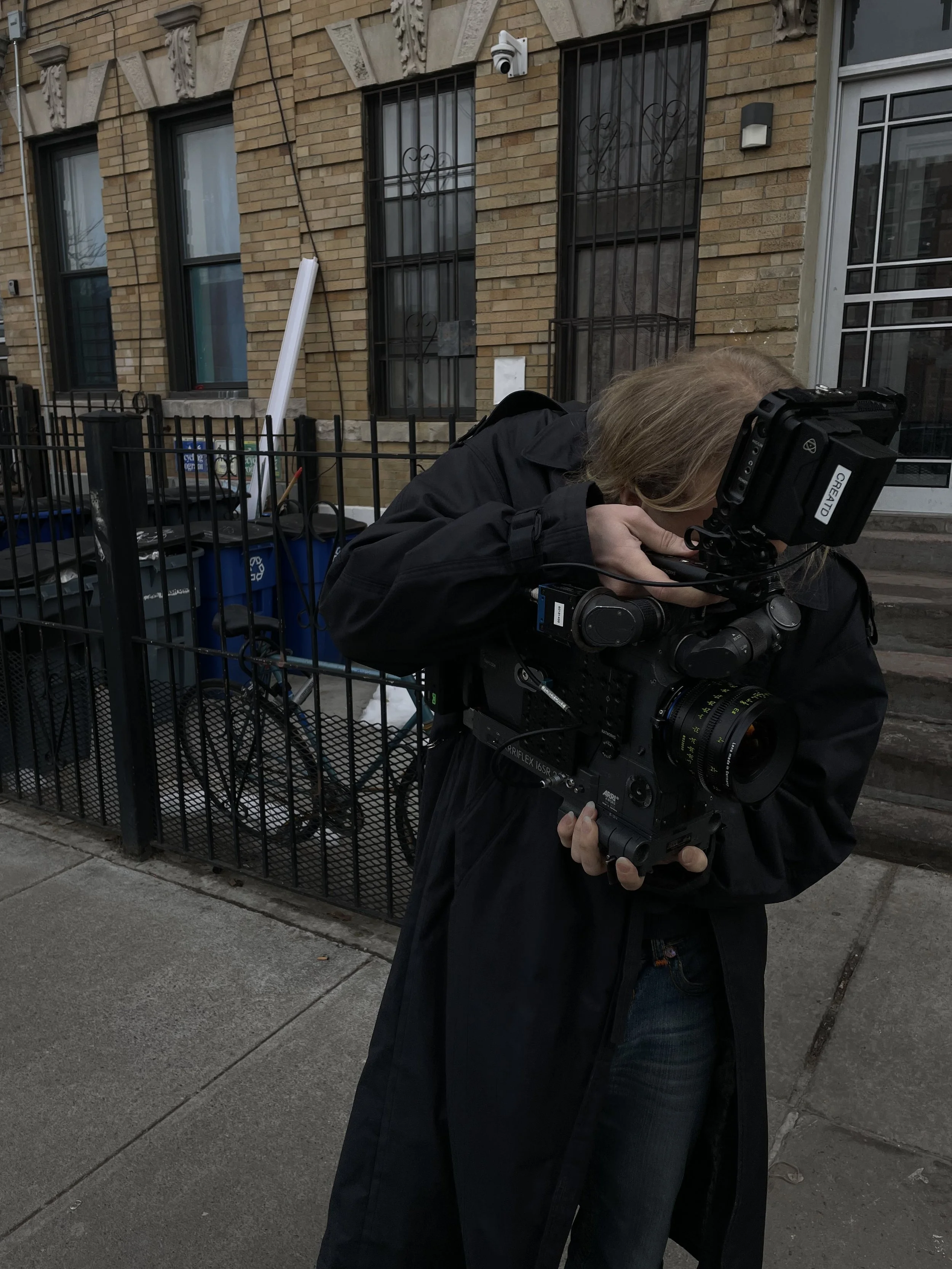
Photos by iida jonsson and ssi saarinen
We followed the places June describes in her writing: streets, neighborhoods, former institutional spaces, waterfronts, etc. We were interested in treating her movements through the city as a choreographic score for the camera.
What have been some of the highlights or most memorable moments of your residency?
One highlight was seeing things we had only spoken about in theory become physically real: the first-edition books, the manuscript, the streets and the buildings. We also spent a lot of time in the darkroom at Pioneer Works, developing new black-and-white photographs, which became an important part of the work. And of course, being at Pioneer Works itself, meeting people, and having the time and space to really focus, has been very precious.
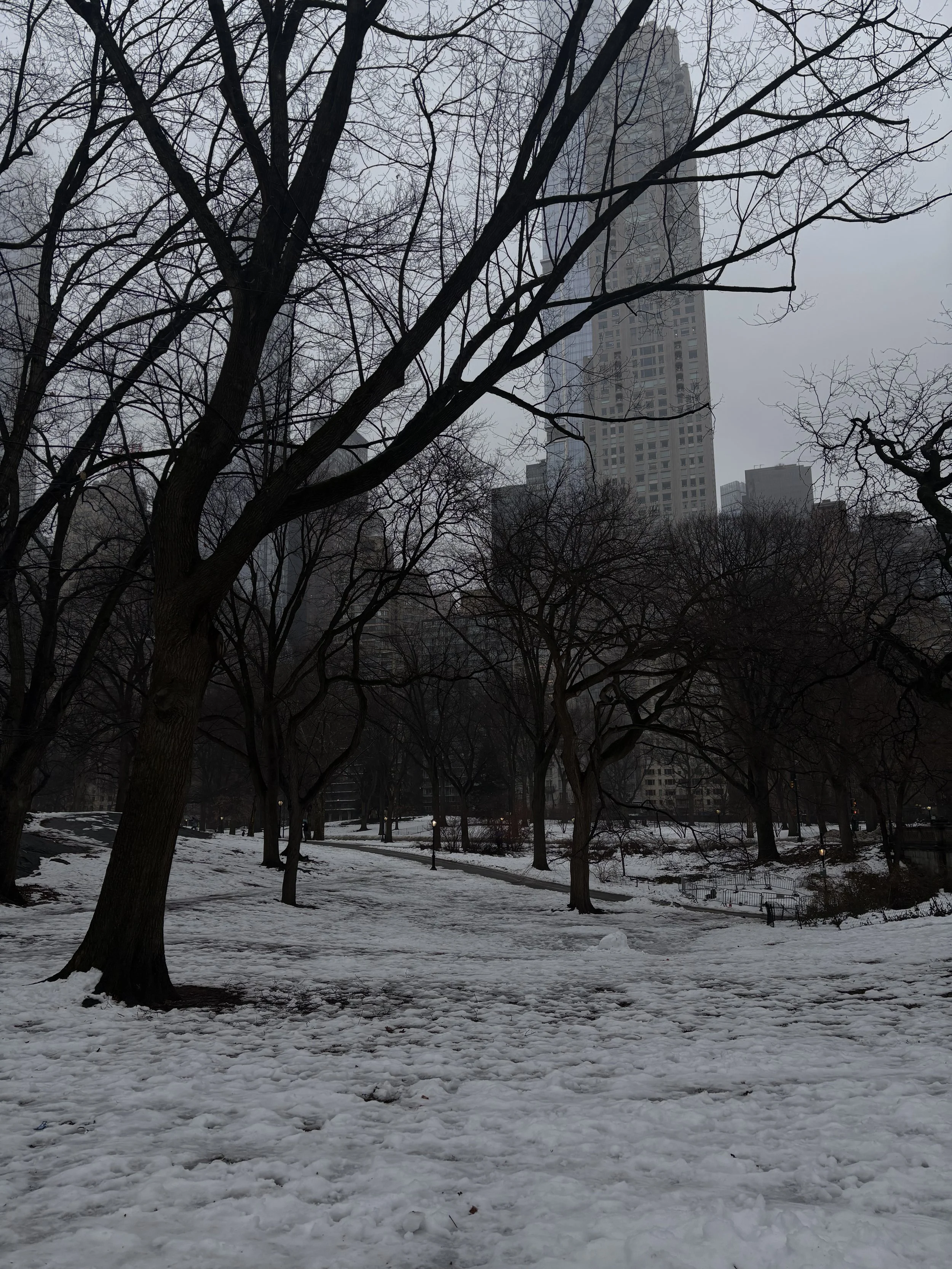
Photo by iida jonsson and ssi saarinen
You have spent a lot of time in NYC, what is something you always have to do when you come here?
New York is special because there is such an intensity and density of culture here. We always try to see as many exhibitions, museums, performances, and screenings as possible, because that amount of art in one place is still quite unique. And then also food, friends, walking, and just letting the city completely take over for a while.
What are your plans when this residency program ends?
We are continuing to work with the material we filmed and photographed in New York, while also preparing several other projects in Europe. This summer we are working towards Norbergfestival in Sweden, as well as new film projects connected to the European Capital of Culture in 2027. After such an intense period in New York, we are also hoping to enjoy at least a little bit of European summer.
If you want to hear more about iida and ssi´s work in New York, watch and listen to their podcast episode: Withstanding Season 5 Episode 2: On the Autobiography of an Androgyne by Jennie June on Youtube, Spotify, SoundCloud or Apple Podcasts
Website: iidassi.com
Interview questions by Eva-Li Teir
Published: July 3 2026