2025 Residency
Henri Judin on Color, Community, and Creative Boldness
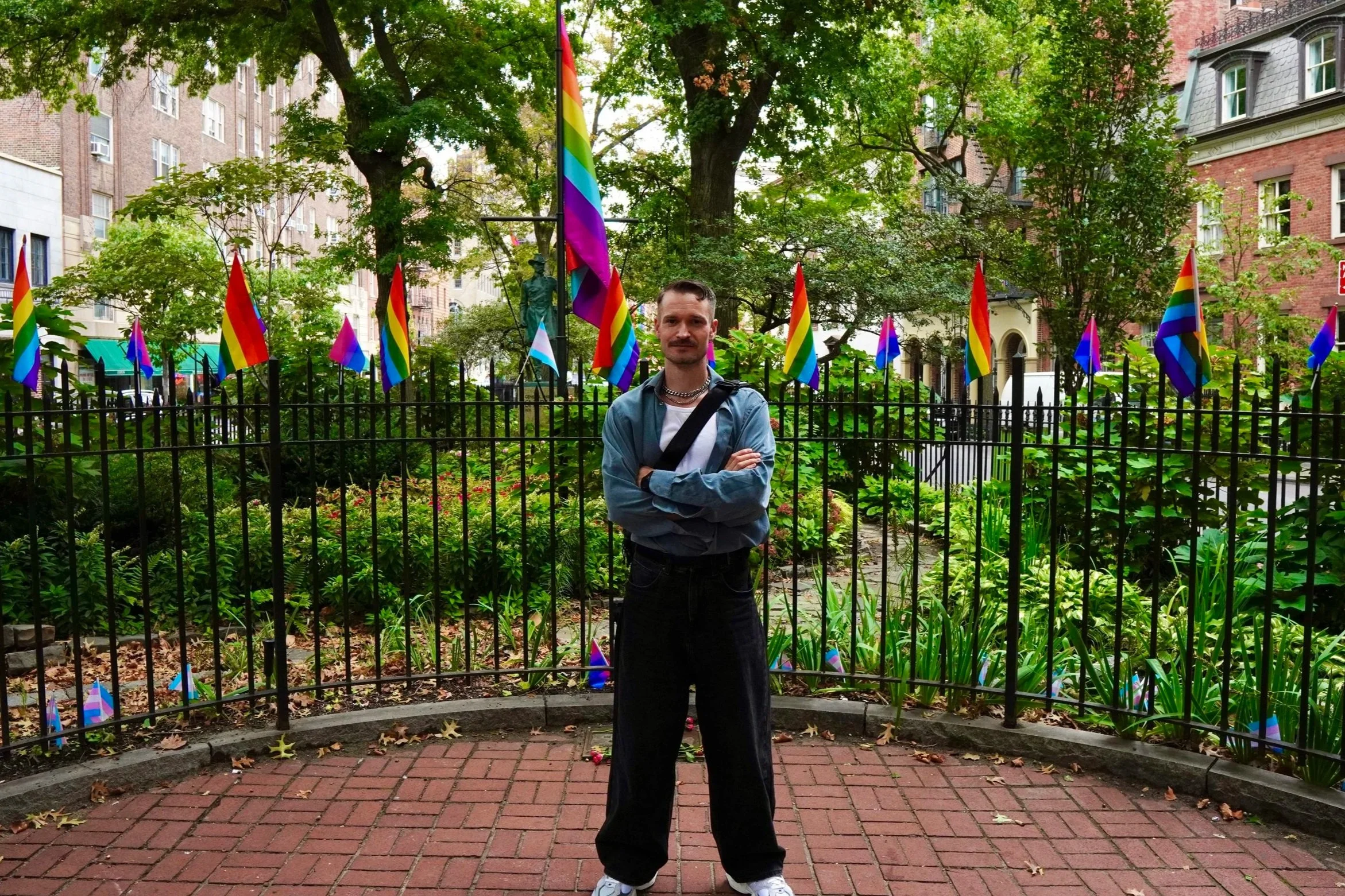
Stonewall National Monument. Photo by Emma Termonen
Henri Judin is a Finnish designer whose work blends vibrant colors and dynamic shapes inspired by art and urban environments. He creates original, functional, and durable solutions for both homes and shared spaces, emphasizing responsible design as the foundation of his practice. Recently, Judin spent three months in New York on a residency at FCINY together with tangible space, drawing inspiration from the bold, joyful, and unapologetic energy of drag art. Through this lens, he seeks to challenge the serious and often masculine conventions of the design world, bringing a fresh, spirited perspective to his upcoming work and exhibition.
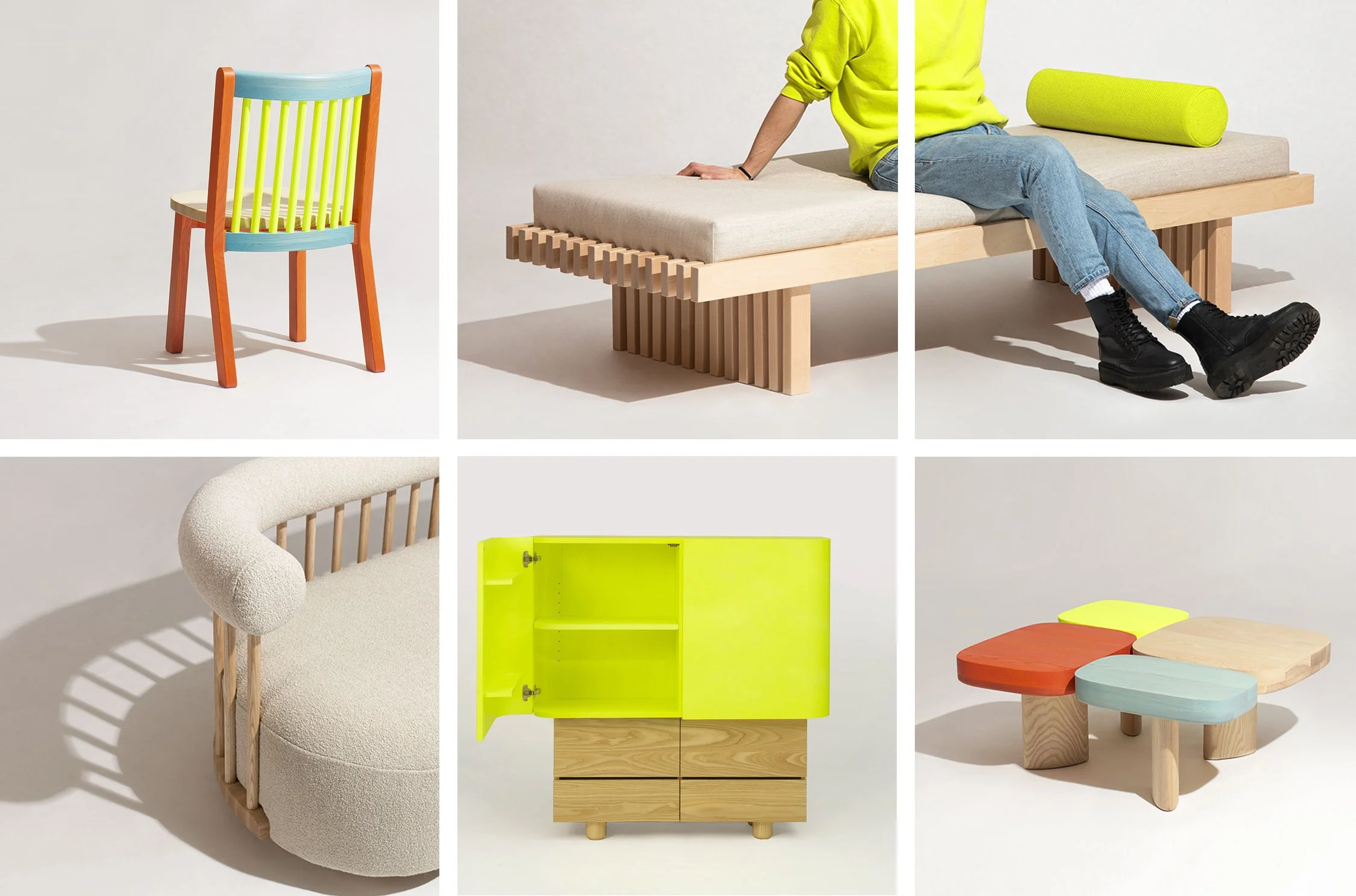
Henri Judin Designs. Photo: Studiå / Henry Salmi & Anni.jpeg.
𝗖𝗮𝗻 𝘆𝗼𝘂 𝘀𝗵𝗮𝗿𝗲 𝗮 𝗯𝗶𝘁 𝗮𝗯𝗼𝘂𝘁 𝘆𝗼𝘂𝗿𝘀𝗲𝗹𝗳 𝗮𝗻𝗱 𝘆𝗼𝘂𝗿 𝗮𝗿𝘁𝗶𝘀𝘁𝗶𝗰 𝗽𝗿𝗮𝗰𝘁𝗶𝗰𝗲? 𝗛𝗼𝘄 𝗱𝗶𝗱 𝘆𝗼𝘂 𝗴𝗲𝘁 𝘀𝘁𝗮𝗿𝘁𝗲𝗱 𝗶𝗻 𝗱𝗲𝘀𝗶𝗴𝗻, 𝗮𝗻𝗱 𝘄𝗵𝗮𝘁 𝗱𝗿𝗶𝘃𝗲𝘀 𝘆𝗼𝘂𝗿 𝗰𝗿𝗲𝗮𝘁𝗶𝘃𝗲 𝘃𝗶𝘀𝗶𝗼𝗻?
It wasn’t self-evident that I would become a designer. I have always been creative, but I also love systems and practicality. In design, I get to combine these qualities. As a furniture designer, my work often blends color, form and concept, offering original, functional and lasting solutions for both domestic and shared environments. I draw inspiration from diverse phenomena such as the intersections of design, art, science and architecture, as well as the search for meaningful experiences and emotions. Production planning and manufacturability are always at the core of my process. I aim to build an international career. I have been working or my work has been exhibited in Finland, Sweden, Italy, China, Tanzania and most recently in the US, where I spent three months in New York on a residency at FCINY.
𝗪𝗵𝗮𝘁 𝗽𝗿𝗼𝗷𝗲𝗰𝘁𝘀 𝗼𝗿 𝗶𝗱𝗲𝗮𝘀 𝘄𝗲𝗿𝗲 𝘆𝗼𝘂 𝗳𝗼𝗰𝘂𝘀𝗲𝗱 𝗼𝗻 𝗱𝘂𝗿𝗶𝗻𝗴 𝘆𝗼𝘂𝗿 𝗿𝗲𝘀𝗶𝗱𝗲𝗻𝗰𝘆?
I got the opportunity to participate in the COLLECTIBLE NY 2025 fair, which coincided with my residency. Preparing for the exhibition kept me busy for the entire three months.
Organizing an exhibition is a major effort that requires managing many aspects: shipping, communication with organizers, creating PR materials, designing the concept and layout, ordering materials, handling logistics and marketing, building the booth itself and finally post-show outreach. I also created a new product for the show, a wall-mounted mirror.
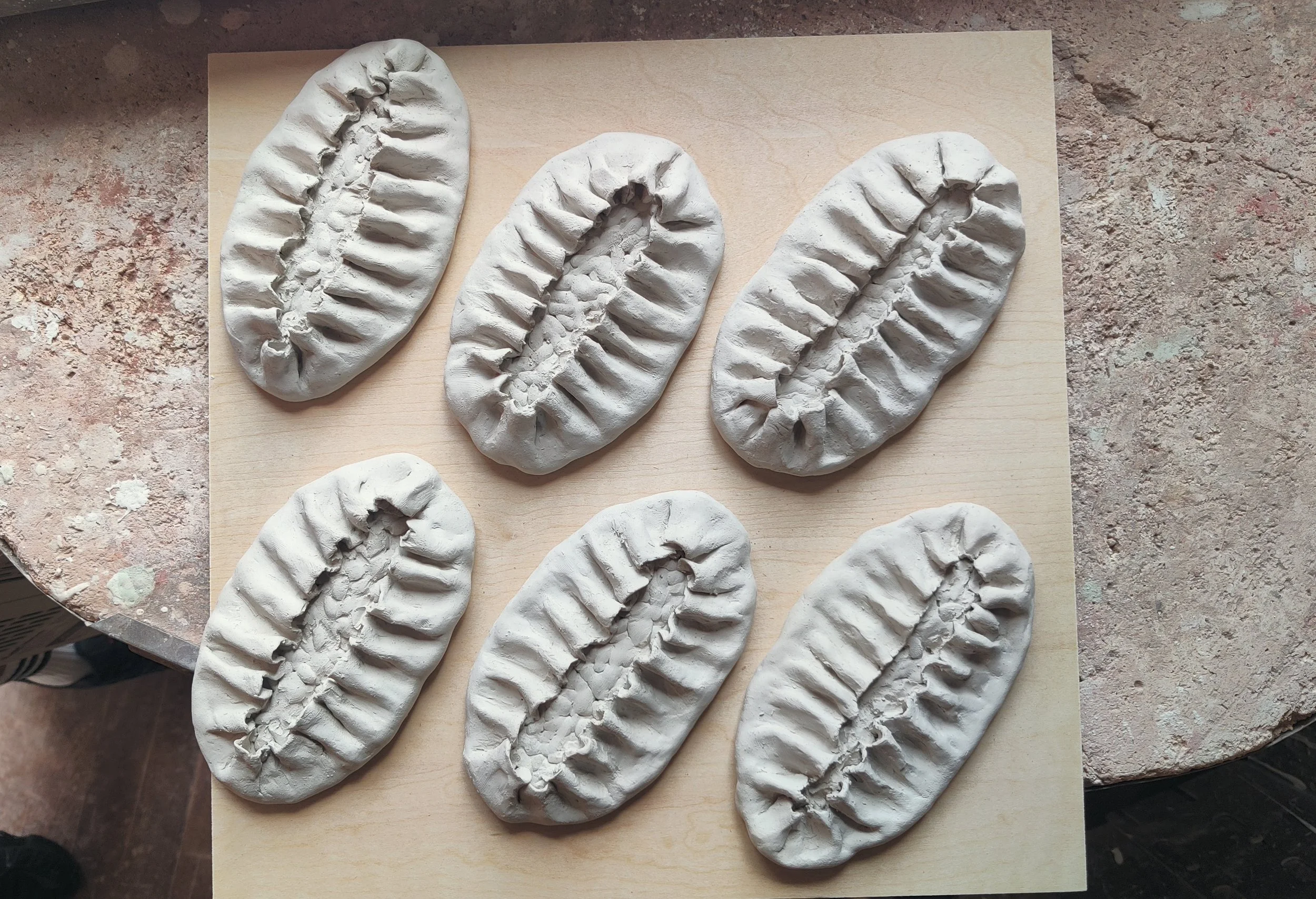
Karjalanpiirakat / Karelian pie by Henri Judin
In addition, I participated in another exhibition, Futurist Tabletop, curated by Michael Yarinsky and Allan Wexler, which explored food culture and dining traditions. I had to come up with something quickly and somehow, from my subconscious and memories, I got the idea to make ceramic Karelian pies for the show.
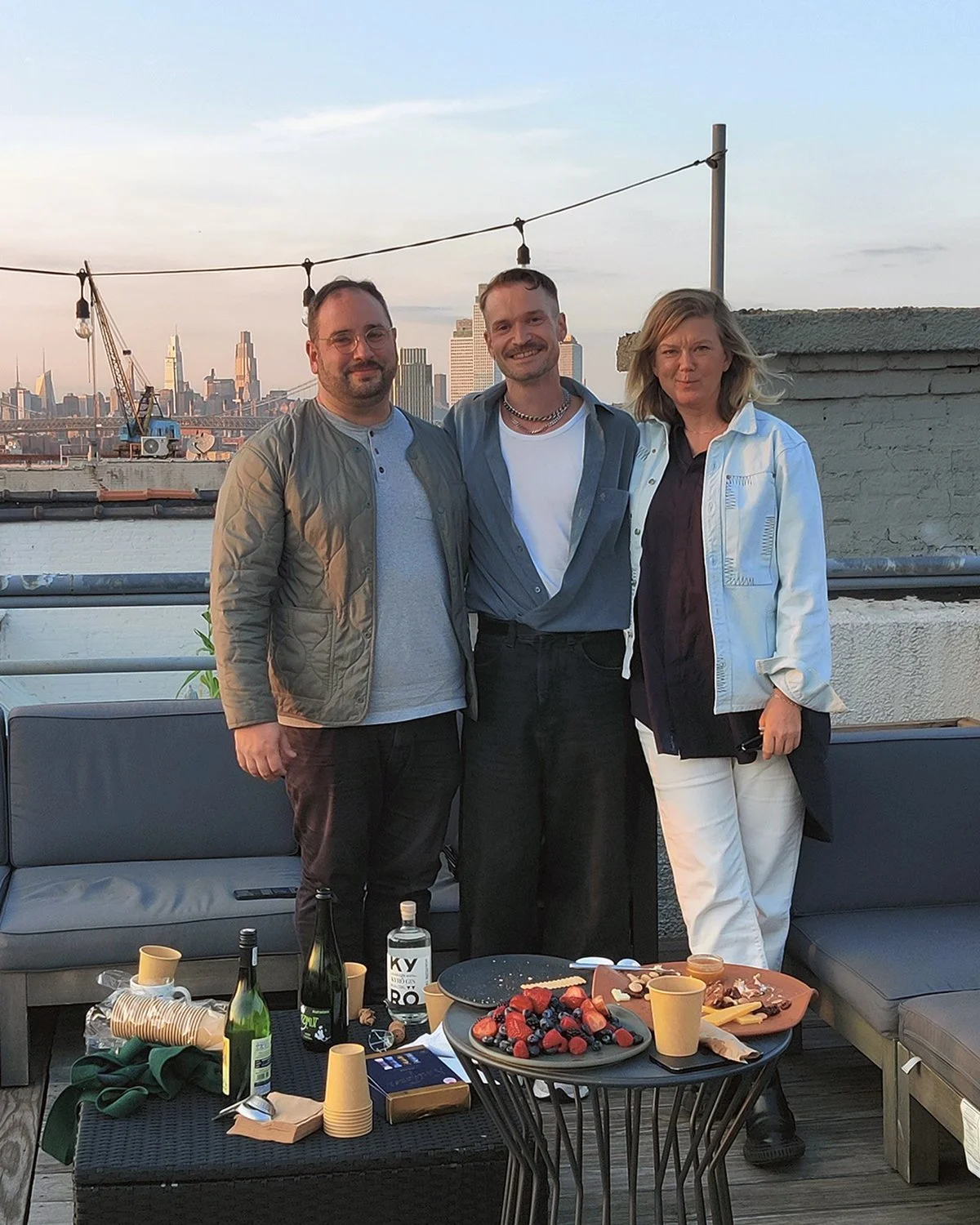
Michael Yarinsky, Henri Judin, and Kati Laakso
None of this would have been possible alone. Thank you FCINY for making all of this possible. The help and support from my host, Office of Tangible Spaces and Michael Yarinsky, were invaluable. Through them I met many incredible creatives from the Waverly 36 community who helped me in my projects. The project was financially supported by the Finnish Cultural Foundation and the Ornamo Foundation. The COLLECTIBLE team was also incredibly kind and helpful. And I’m deeply grateful to my supportive husband, who helped me with the fair arrangements.
𝗙𝗶𝗻𝗹𝗮𝗻𝗱 𝗵𝗮𝘀 𝗮 𝘀𝘁𝗿𝗼𝗻𝗴 𝗱𝗲𝘀𝗶𝗴𝗻 𝗵𝗲𝗿𝗶𝘁𝗮𝗴𝗲 𝗿𝗼𝗼𝘁𝗲𝗱 𝗶𝗻 𝗺𝗶𝗻𝗶𝗺𝗮𝗹𝗶𝘀𝗺 𝗮𝗻𝗱 𝗻𝗮𝘁𝘂𝗿𝗮𝗹 𝗺𝗮𝘁𝗲𝗿𝗶𝗮𝗹𝘀. 𝗛𝗼𝘄 𝗱𝗼𝗲𝘀 𝘆𝗼𝘂𝗿 𝘄𝗼𝗿𝗸 𝗿𝗲𝗹𝗮𝘁𝗲 𝘁𝗼, 𝗼𝗿 𝗰𝗵𝗮𝗹𝗹𝗲𝗻𝗴𝗲, 𝘁𝗵𝗮𝘁 𝘁𝗿𝗮𝗱𝗶𝘁𝗶𝗼𝗻?
Finnish design heritage is the best one in the world, and I deeply respect it. However, I think we rely too much on the past and the same familiar elements. Contemporary Finnish design is much more diverse than that, and I want to highlight it. However, there’s no need to forget our roots entirely. I enjoy combining traditional elements with unexpected forms and colors.'
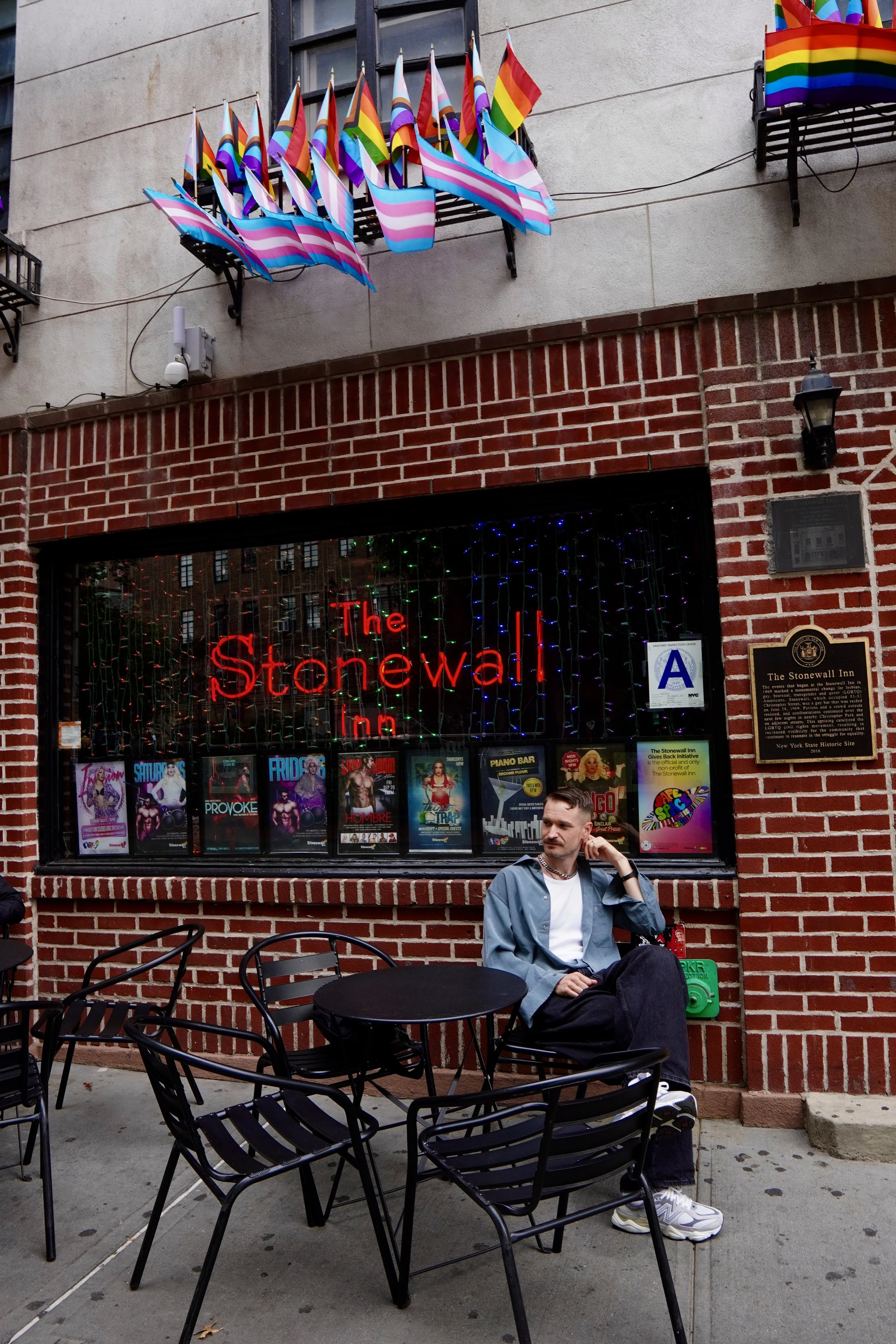
The Stonewall Inn, New York! Photo by Emma Termonen
𝗬𝗼𝘂’𝘃𝗲 𝗺𝗲𝗻𝘁𝗶𝗼𝗻𝗲𝗱 𝘁𝗵𝗮𝘁 𝗳𝘂𝗿𝗻𝗶𝘁𝘂𝗿𝗲 𝗰𝗼𝘂𝗹𝗱 𝘂𝘀𝗲 “𝗺𝗼𝗿𝗲 𝗳𝘂𝗻 𝗮𝗻𝗱 𝗰𝗼𝗹𝗼𝗿.” 𝗪𝗵𝗮𝘁 𝗱𝗼𝗲𝘀 “𝗳𝘂𝗻” 𝗺𝗲𝗮𝗻 𝘁𝗼 𝘆𝗼𝘂 𝗶𝗻 𝘁𝗵𝗲 𝗰𝗼𝗻𝘁𝗲𝘅𝘁 𝗼𝗳 𝗱𝗲𝘀𝗶𝗴𝗻, 𝗮𝗻𝗱 𝗵𝗼𝘄 𝗱𝗼 𝘆𝗼𝘂 𝗯𝗿𝗶𝗻𝗴 𝗶𝘁 𝗶𝗻𝘁𝗼 𝘆𝗼𝘂𝗿 𝘄𝗼𝗿𝗸?
If a product or artwork makes you smile or laugh, I believe it has already succeeded in something meaningful. Especially now, in these crazy times, I welcome anything that brings joy. I notice how bright colors have a positive effect on me and I enjoy being in colorful environments. Using and combining colors is much more challenging than working with black, white and neutrals, which is why many people tend to avoid it. It has taken me practice too, and I still want to keep learning
At home we have a neon yellow Bunker sideboard that serves as a bar cabinet. It’s a color rarely seen in interiors or furniture. That color does something pleasant to my brain every time I see it. Combined with calm and natural ash wood, it isn’t too much but it’s actually very harmonious. When a product makes you feel good, you want to keep it and take care of it longer. That, in my view, is one of the key principles of sustainable design.
𝗛𝗼𝘄 𝗵𝗮𝘀 𝗹𝗶𝘃𝗶𝗻𝗴 𝗮𝗻𝗱 𝘄𝗼𝗿𝗸𝗶𝗻𝗴 𝗶𝗻 𝗡𝗲𝘄 𝗬𝗼𝗿𝗸 𝗶𝗻𝗳𝗹𝘂𝗲𝗻𝗰𝗲𝗱 𝘆𝗼𝘂𝗿 𝗽𝗲𝗿𝘀𝗽𝗲𝗰𝘁𝗶𝘃𝗲 𝗼𝗻 𝗱𝗲𝘀𝗶𝗴𝗻 𝗼𝗿 𝘆𝗼𝘂𝗿 𝗰𝗿𝗲𝗮𝘁𝗶𝘃𝗲 𝗮𝗽𝗽𝗿𝗼𝗮𝗰𝗵? 𝗗𝘂𝗿𝗶𝗻𝗴 𝘆𝗼𝘂𝗿 𝗿𝗲𝘀𝗶𝗱𝗲𝗻𝗰𝘆, 𝗵𝗮𝘃𝗲 𝘆𝗼𝘂 𝗱𝗶𝘀𝗰𝗼𝘃𝗲𝗿𝗲𝗱 𝗮𝗻𝘆 𝗻𝗲𝘄 𝗶𝗻𝘀𝗽𝗶𝗿𝗮𝘁𝗶𝗼𝗻𝘀, 𝗰𝗼𝗹𝗹𝗮𝗯𝗼𝗿𝗮𝘁𝗼𝗿𝘀 𝗼𝗿 𝗺𝗮𝘁𝗲𝗿𝗶𝗮𝗹𝘀 𝘁𝗵𝗮𝘁 𝗲𝘅𝗰𝗶𝘁𝗲𝗱 𝘆𝗼𝘂?
Especially at the fair, I met hundreds of amazing people, made new friends and expanded my professional network. Of course, I would have loved to receive immediate collaboration offers or job opportunities, which would have been the jackpot, but often the real impact of an exhibition appears later, sometimes years afterward. For now, what I take with me is mostly intangible. I went to New York with the intention of being inspired by the nature of drag and bringing that spirit into my work. That is exactly what I found, not only through drag but also through the people and the way things are done there. New York is the most inspiring place I have ever been and everything is available.
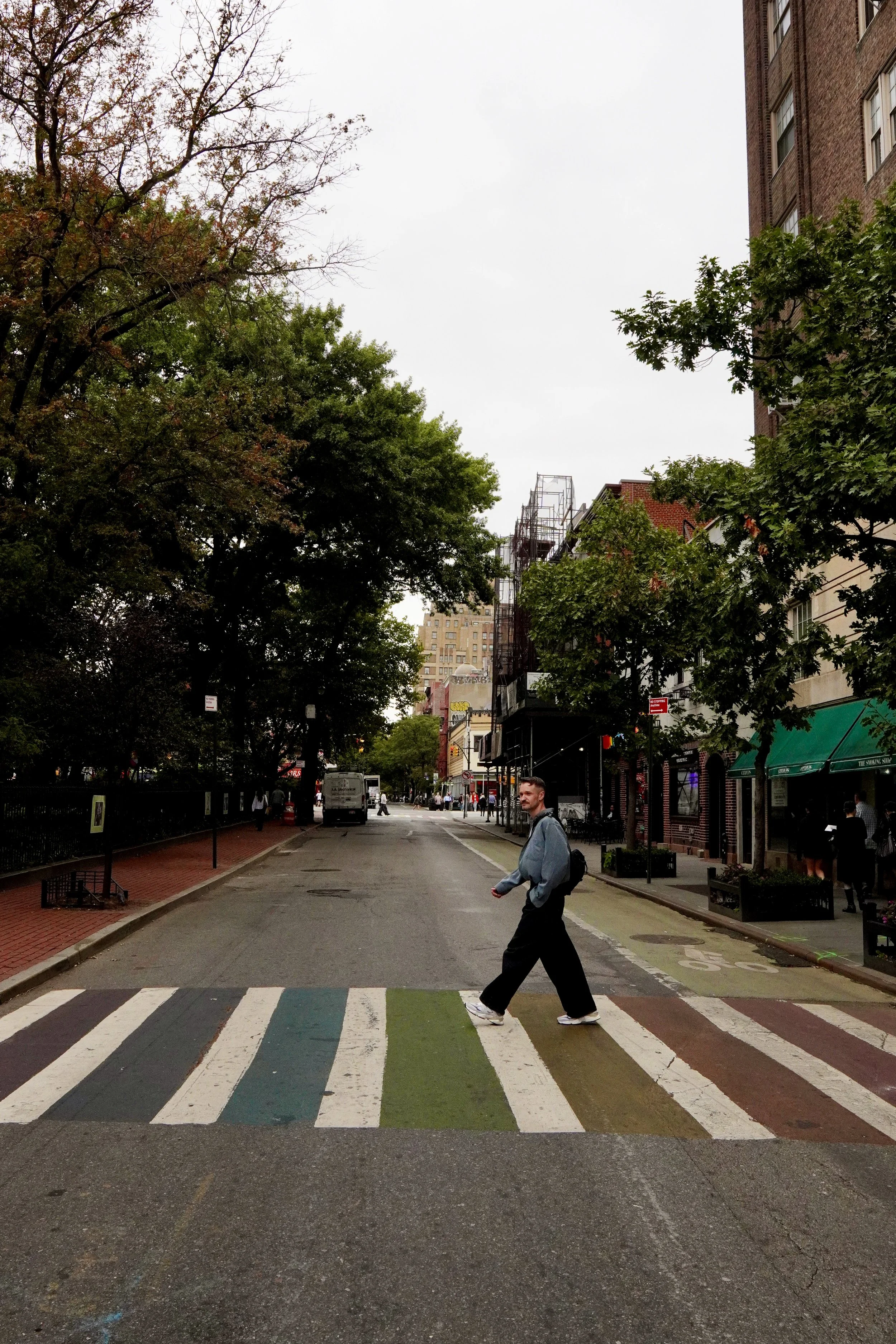
Christopher St, New York. Photo by Emma Termonen
𝗪𝗵𝗮𝘁 𝘄𝗲𝗿𝗲 𝘀𝗼𝗺𝗲 𝗼𝗳 𝘁𝗵𝗲 𝗵𝗶𝗴𝗵𝗹𝗶𝗴𝗵𝘁𝘀 𝗼𝗿 𝗺𝗼𝘀𝘁 𝗺𝗲𝗺𝗼𝗿𝗮𝗯𝗹𝗲 𝗺𝗼𝗺𝗲𝗻𝘁𝘀 𝗼𝗳 𝘆𝗼𝘂𝗿 𝗿𝗲𝘀𝗶𝗱𝗲𝗻𝗰𝘆?
In addition to the professional highlights and the COLLECTIBLE exhibition, luckily there was also time to explore the city. I wanted to fully immerse myself in it and let it carry me wherever it would, and it truly did. The overall atmosphere of the city is wonderful. The positivity and openness of people left a deep impression on me. People approach you easily, and everyone is approachable. You never know where you might end up when you open your mouth to a stranger and stay open to adventures. It might lead you to a small island for a bonfire, to a Fashion Week afterparty, to an unforgettable weekend on Fire Island, or you might even accidentally end up at a Lady Gaga concert. The city’s cultural offerings are beyond imagination. Museums, galleries, theater and countless drag shows are in a league of their own.
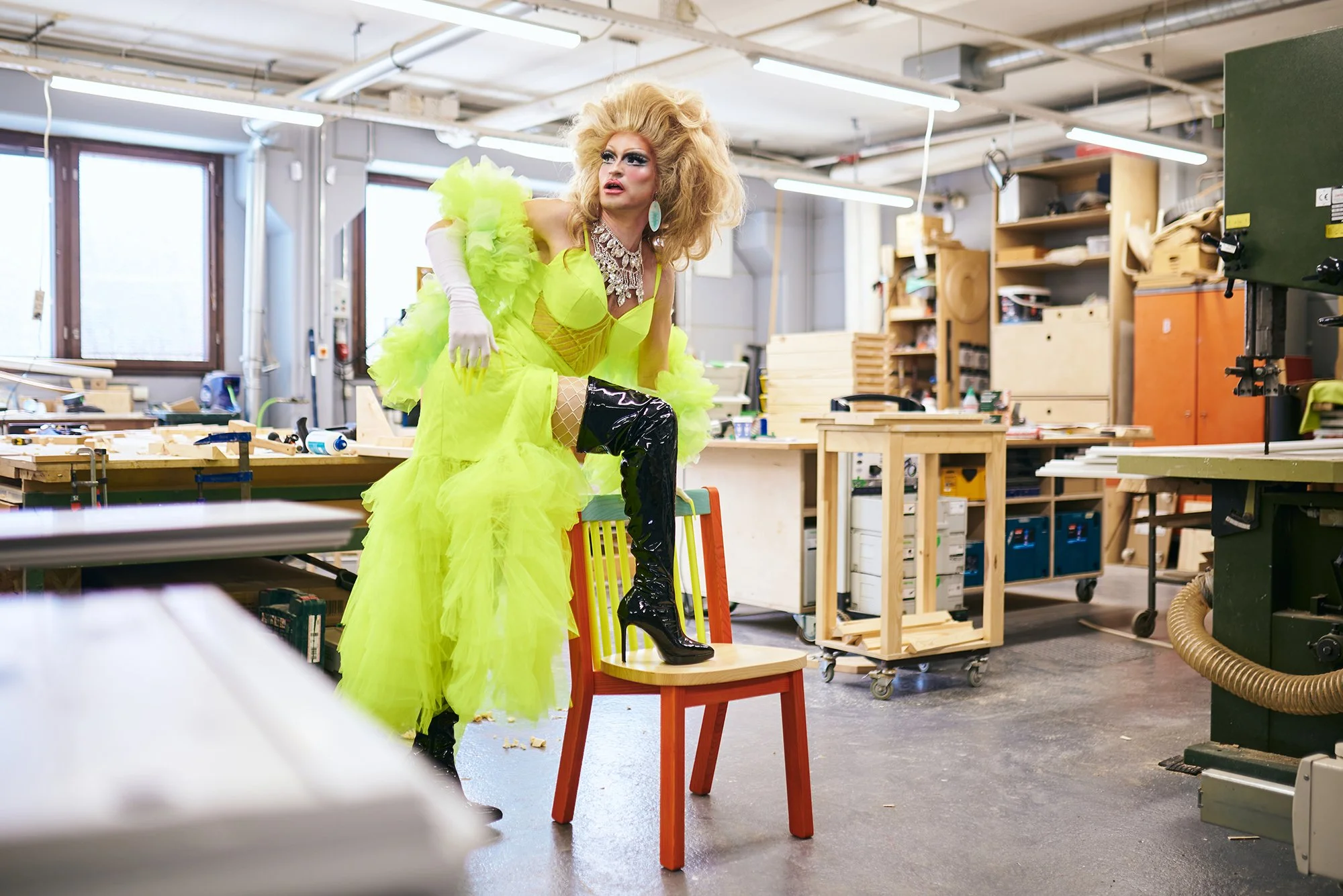
Photo by Iiro Rautiainen
𝗬𝗼𝘂𝗿 𝗯𝗼𝗼𝘁𝗵 𝗮𝘁 𝗖𝗢𝗟𝗟𝗘𝗖𝗧𝗜𝗕𝗟𝗘 𝟮𝟬𝟮𝟱, “𝗗𝗿𝗮𝗴 𝗤𝘂𝗲𝗲𝗻’𝘀 𝗕𝗼𝘂𝗱𝗼𝗶𝗿,” 𝘄𝗮𝘀 𝘃𝗲𝗿𝘆 𝘀𝘁𝗿𝗶𝗸𝗶𝗻𝗴. 𝗖𝗮𝗻 𝘆𝗼𝘂 𝘁𝗲𝗹𝗹 𝘂𝘀 𝗵𝗼𝘄 𝘁𝗵𝗲 𝗰𝗼𝗻𝗰𝗲𝗽𝘁 𝗰𝗮𝗺𝗲 𝘁𝗼𝗴𝗲𝘁𝗵𝗲𝗿 𝗮𝗻𝗱 𝘄𝗵𝗮𝘁 𝘆𝗼𝘂 𝗵𝗼𝗽𝗲𝗱 𝘁𝗼 𝗰𝗼𝗺𝗺𝘂𝗻𝗶𝗰𝗮𝘁𝗲? 𝗪𝗵𝗮𝘁 𝗱𝗼 𝘆𝗼𝘂 𝗵𝗼𝗽𝗲 𝗽𝗲𝗼𝗽𝗹𝗲 𝘁𝗮𝗸𝗲 𝗮𝘄𝗮𝘆 𝗳𝗿𝗼𝗺 𝘆𝗼𝘂𝗿 𝘁𝗶𝗺𝗲 𝗶𝗻 𝗡𝗲𝘄 𝗬𝗼𝗿𝗸 𝗮𝗻𝗱 𝗳𝗿𝗼𝗺 𝗲𝘅𝗽𝗲𝗿𝗶𝗲𝗻𝗰𝗶𝗻𝗴 𝘆𝗼𝘂𝗿 𝘄𝗼𝗿𝗸?
Over the years, I have shown my work at many fairs and exhibitions. Many of them tend to be quite similar in the end, and it is often a matter of chance whom you meet there. The competition for attention is intense. A couple of years ago in Milan (after probably one too many Negronis) I came up with a wild idea: what if one day I did a performative stunt at a fair and showed up in drag? No one could possibly miss a booth where a drag queen is presenting furniture, and it would definitely lift the mood of the whole event.
When the opportunity to join COLLECTIBLE New York came along, I knew it was now or never. Drag is always an expression and a statement. By bringing drag into an unexpected context like a furniture fair, I wanted to highlight the often serious and masculine aspects of the design industry by spreading joy and channeling the bravery, boldness and unapologetic energy of drag. Through my drag persona Carelia, I wanted to present my furniture collection and invite all queens and design lovers to my boudoir to take a seat, test the pieces and stay for a chat. Whether the conversation turns into a business meeting, creative collaboration or makeup tips, the idea was to show that business can be done seriously without taking oneself too seriously. Judging from all the attention and press, it worked. My work got widely noticed in newspapers, design magazines and social media
I am extremely proud of myself. Many people told me that they had never seen anything like what I did at COLLECTIBLE, and that it was the best marketing stunt they had ever witnessed at a furniture fair. I could have never dreamed that I, a designer originally from far eastern Finland, could do something new and unseen in New York where you’d imagine people have seen it all.
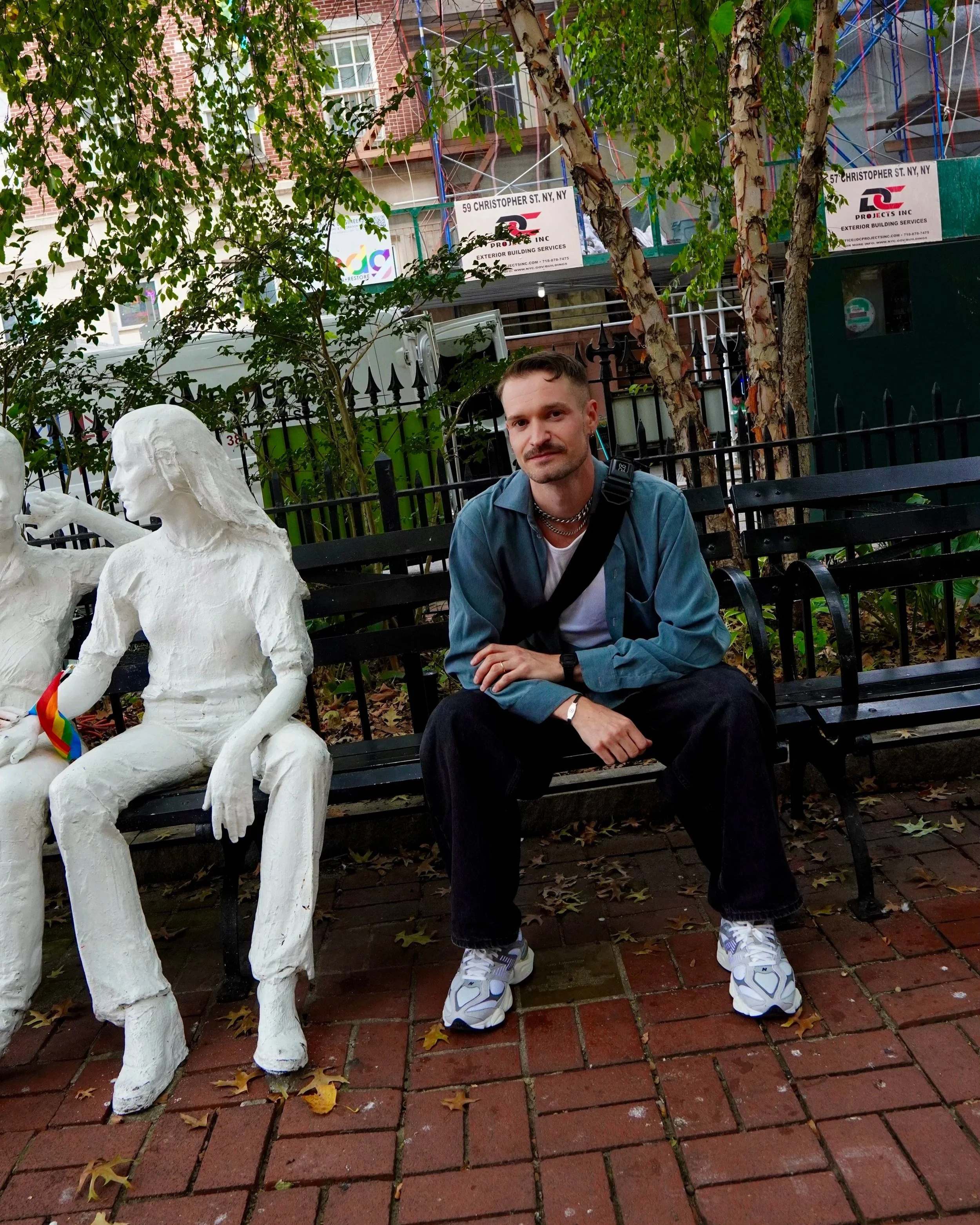
Photo by Emma Termonen
𝗙𝗶𝗻𝗮𝗹𝗹𝘆, 𝘄𝗵𝗮𝘁’𝘀 𝗻𝗲𝘅𝘁 𝗳𝗼𝗿 𝘆𝗼𝘂 𝗮𝗳𝘁𝗲𝗿 𝘁𝗵𝗶𝘀 𝗿𝗲𝘀𝗶𝗱𝗲𝗻𝗰𝘆? 𝗔𝗿𝗲 𝘁𝗵𝗲𝗿𝗲 𝗮𝗻𝘆 𝘂𝗽𝗰𝗼𝗺𝗶𝗻𝗴 𝗽𝗿𝗼𝗷𝗲𝗰𝘁𝘀, 𝗲𝘅𝗵𝗶𝗯𝗶𝘁𝗶𝗼𝗻𝘀 𝗼𝗿 𝗶𝗱𝗲𝗮𝘀 𝘆𝗼𝘂’𝗿𝗲 𝗲𝗮𝗴𝗲𝗿 𝘁𝗼 𝗱𝗲𝘃𝗲𝗹𝗼𝗽?
The job situation in Finland is currently quite difficult, so I’m continuously looking for new work and projects worldwide. Through my own studio I offer design services, but my dream would be to work as a designer for a large international design company. Until then, I’m open to all kinds of projects and collaborations. For any collaborations, job offers, projects, inquiries or design commissions, feel free to reach out.
I plan to organize another exhibition once I forget again how much work it actually is. Drag is also an incredible art form that I want to continue exploring — whether together with design or separately, time will tell.
Website: henrijudin.com
Interview questions by Emma Termonen
Published: November 10, 2025