2025 Residency
Arvind Ramachandran on Shaping Public Space
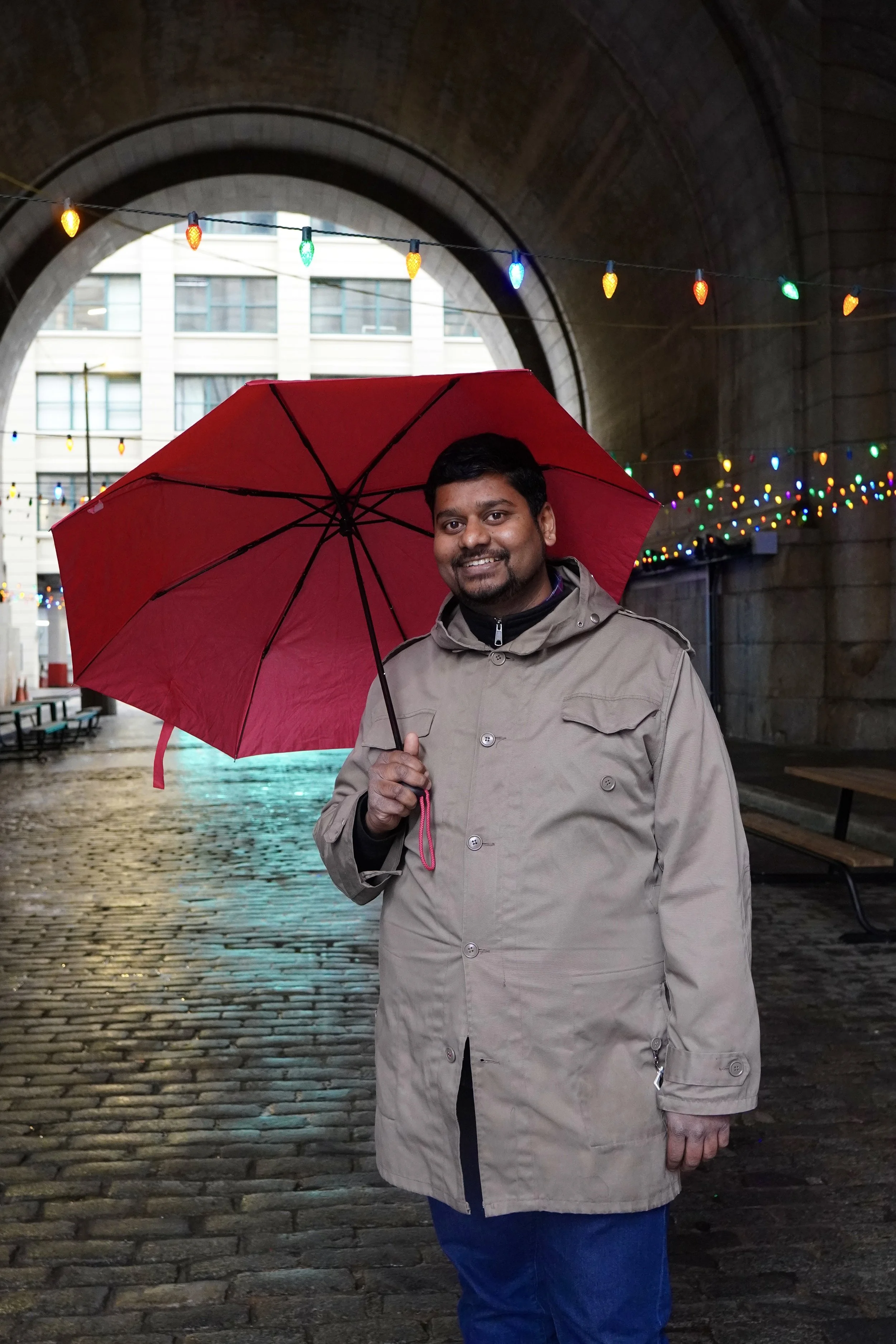
Photo by Emma Termonen
Arvind Ramachandran is a Helsinki-based architect and urban designer whose work focuses on urban justice, inclusive public space, community engagement, and participatory design. With professional experience across India and the Nordic region, Arvind explores how underused urban environments can be reimagined to support culture, wellbeing, and social connection. He has worked on large-scale public buildings and urban areas, employed participatory planning methods, and developed design tools that bring overlooked perspectives into conversations about the city. During his residency at the Finnish Cultural Institute in New York in collaboration with The Cooper Union School of Architecture, Arvind shared his insights through talks, workshops, and collaborations that connected Helsinki and New York’s creative communities.
You can read more about his time in New York in our interview below:
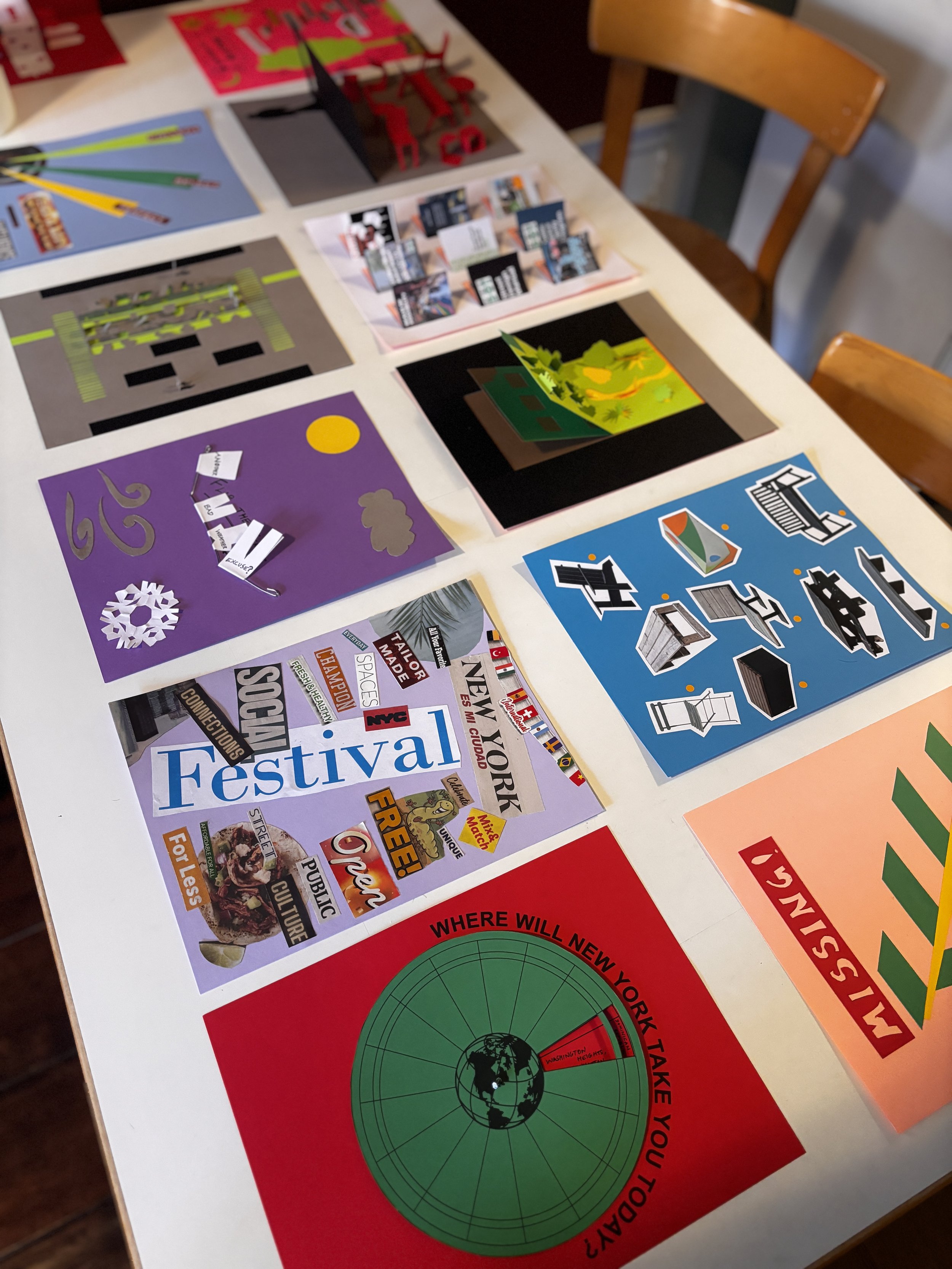
Photo by Kati Laakso
𝗔𝘀 𝗮𝗻 𝗮𝗿𝗰𝗵𝗶𝘁𝗲𝗰𝘁 𝗮𝗻𝗱 𝘂𝗿𝗯𝗮𝗻 𝗱𝗲𝘀𝗶𝗴𝗻𝗲𝗿 𝗯𝗮𝘀𝗲𝗱 𝗶𝗻 𝗛𝗲𝗹𝘀𝗶𝗻𝗸𝗶, 𝘄𝗵𝘆 𝗱𝗶𝗱 𝘆𝗼𝘂 𝗱𝗲𝗰𝗶𝗱𝗲 𝘁𝗼 𝗮𝗽𝗽𝗹𝘆 𝗳𝗼𝗿 𝘁𝗵𝗶𝘀 𝗿𝗲𝘀𝗶𝗱𝗲𝗻𝗰𝘆 𝗶𝗻 𝗡𝗲𝘄 𝗬𝗼𝗿𝗸?
I have always been fascinated by the immense potential that megacities hold in creating thriving living environments for diverse groups of inhabitants. New York continues to be a place where some of humankind’s most pressing challenges are both confronted and resolved. As a built environment professional interested in how power is spatialised in cities, and what designers can do to help achieve urban justice goals, applying to do a residency in one of the world’s most diverse and complex cities was a logical step.
𝗪𝗵𝗮𝘁 𝘄𝗮𝘀 𝘆𝗼𝘂𝗿 𝗺𝗮𝗶𝗻 𝗴𝗼𝗮𝗹 𝗳𝗼𝗿 𝘁𝗵𝗲 𝗿𝗲𝘀𝗶𝗱𝗲𝗻𝗰𝘆? 𝗔𝗻𝗱 𝗱𝗶𝗱 𝘆𝗼𝘂 𝗮𝗰𝗵𝗶𝗲𝘃𝗲 𝗶𝘁?
I hoped to connect with and learn from New Yorkers from different walks of life who are involved in shaping public spaces, and experience first-hand how the megacity is a collective and continuous work in progress. I am glad to note I was able to reach this goal, thanks to how generous locals were with their time and expertise, as well as how widespread a culture of collective stewardship of space is across the five boroughs.
𝗪𝗵𝗮𝘁 𝗸𝗲𝘆 𝗾𝘂𝗲𝘀𝘁𝗶𝗼𝗻𝘀 𝗴𝘂𝗶𝗱𝗲𝗱 𝘆𝗼𝘂𝗿 𝘄𝗼𝗿𝗸 𝗱𝘂𝗿𝗶𝗻𝗴 𝘁𝗵𝗲 𝗿𝗲𝘀𝗶𝗱𝗲𝗻𝗰𝘆, 𝗮𝗻𝗱 𝗵𝗼𝘄 𝗱𝗶𝗱 𝘆𝗼𝘂𝗿 𝘁𝗵𝗶𝗻𝗸𝗶𝗻𝗴 𝗼𝗿 𝗮𝗽𝗽𝗿𝗼𝗮𝗰𝗵 𝗰𝗵𝗮𝗻𝗴𝗲 𝗼𝘃𝗲𝗿 𝘁𝗶𝗺𝗲?
Some of the questions I focused on during the residency included how ability to affect local public spaces can build community resilience, how collective shaping of public spaces strengthens feelings of belonging, how the city can support efforts to shape public space, and how formal planning can interact with grassroots initiatives to affect the urban public realm. In addition to finding multiple perspectives as answers to these questions, I was able to develop my understanding of how important it is for built environment professionals to dissolve barriers and lower thresholds, so everyone can shape public space. I also realised during my residency that we simply cannot hope for one “best way” to create public spaces that can be replicated everywhere, but would do well to rather focus on approaching each case with a readiness to learn and improve.
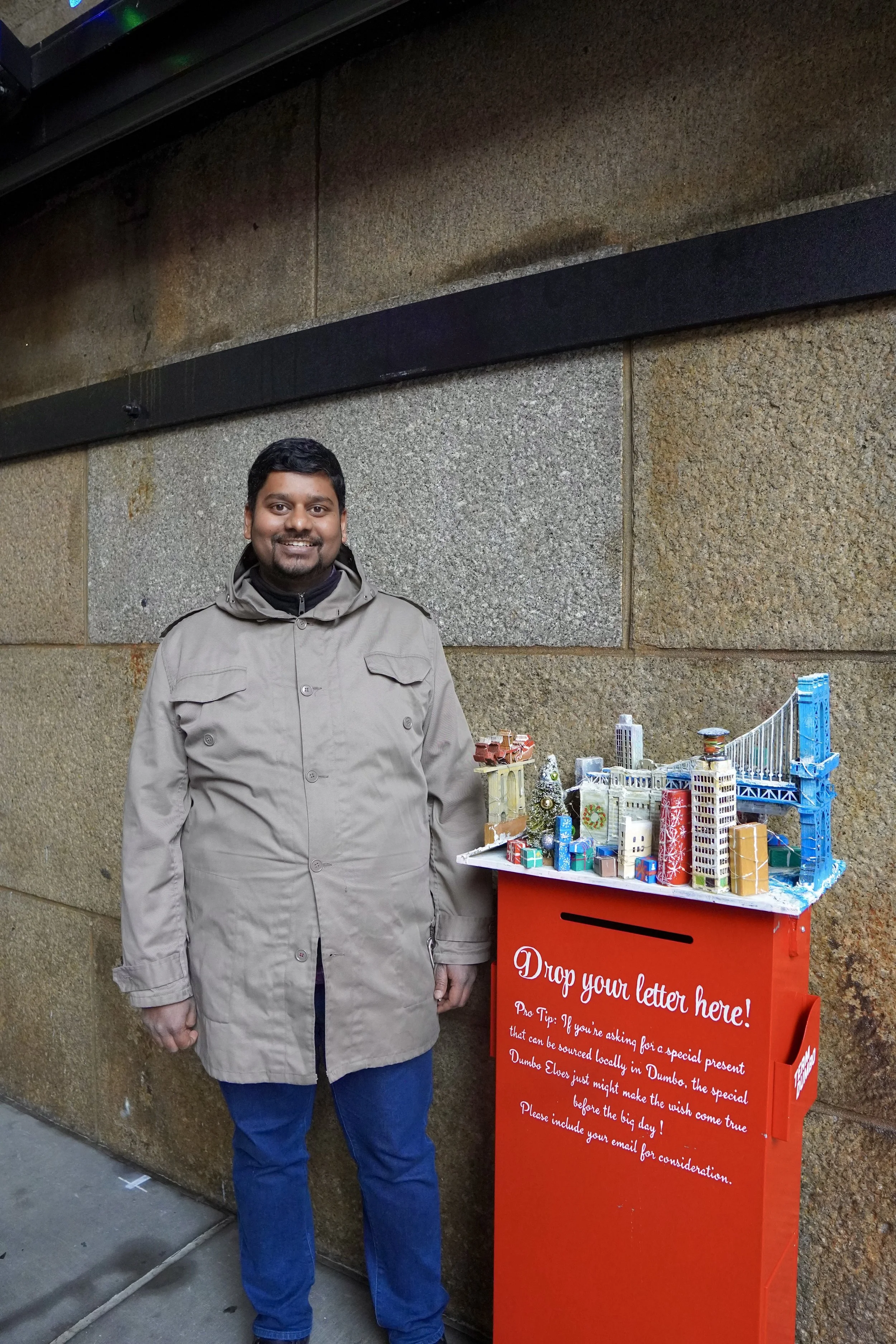
Photo by Emma Termonen
𝗛𝗼𝘄 𝗱𝗶𝗱 𝗡𝗲𝘄 𝗬𝗼𝗿𝗸 𝗖𝗶𝘁𝘆 𝗮𝗻𝗱 𝗶𝘁𝘀 𝗲𝘃𝗲𝗿𝘆𝗱𝗮𝘆 𝗹𝗶𝗳𝗲, 𝘀𝗽𝗮𝗰𝗲𝘀, 𝗮𝗻𝗱 𝗿𝗵𝘆𝘁𝗵𝗺𝘀, 𝗶𝗻𝗳𝗹𝘂𝗲𝗻𝗰𝗲 𝘆𝗼𝘂𝗿 𝗿𝗲𝘀𝗲𝗮𝗿𝗰𝗵 𝗮𝗻𝗱 𝗽𝗲𝗿𝘀𝗽𝗲𝗰𝘁𝗶𝘃𝗲?
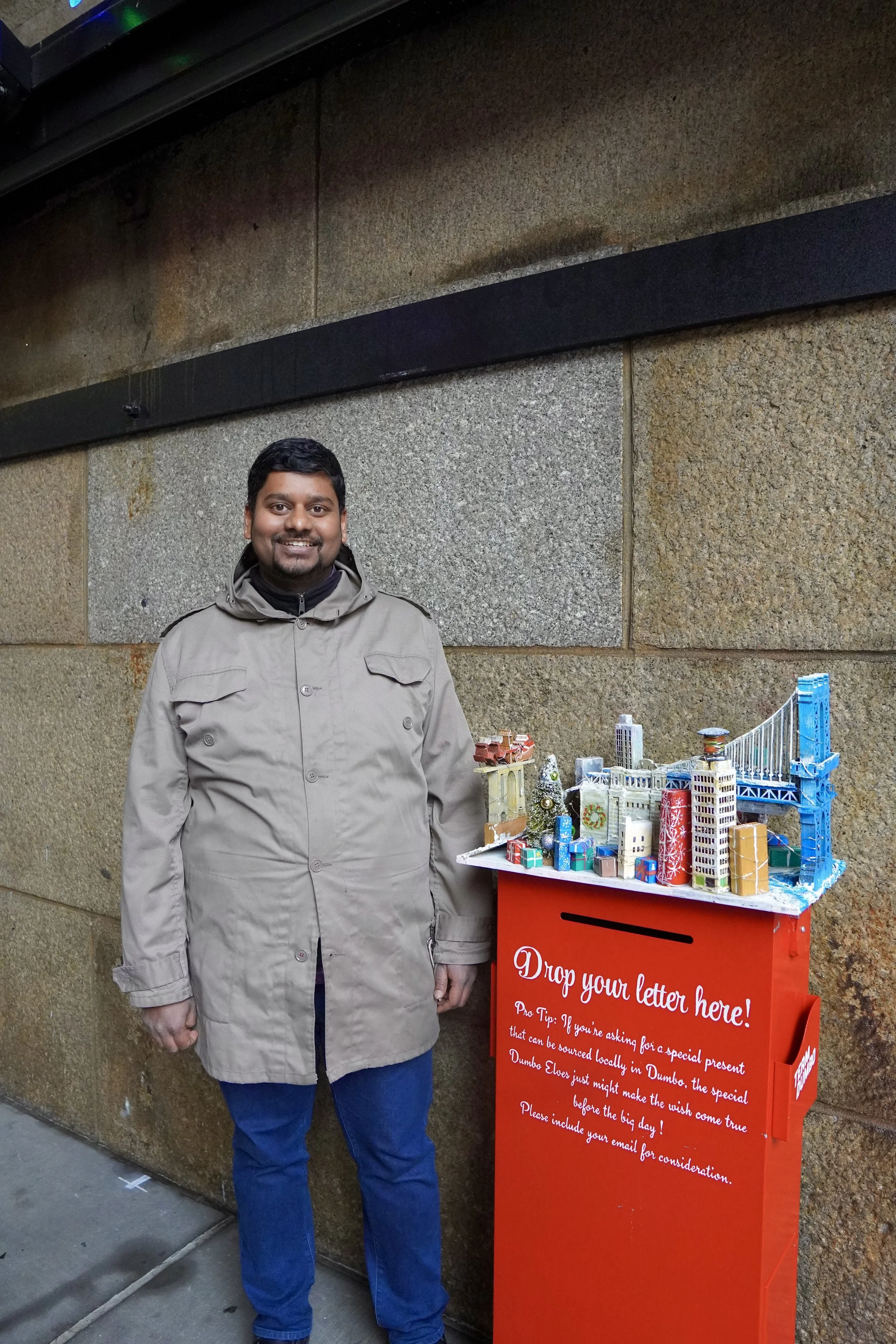
Autumn was a great time to be in New York, especially from a perspective of getting to know the city’s public spaces. The beginning of the residency allowed getting to know the community gardens and open streets as they were winding up after the summer season, while there was time towards the end to experience some great spaces in holiday and even winter mode. The stand out for me was how often streets are closed and people come out in droves to enjoy their public spaces, often for parades and events like Halloween, the NYC marathon, Thanksgiving, and Christmas. New York’s community gardens, open streets and temporary events all in their ways work to release space from private use for public good. There is a lot that cities the world over can learn from how often, how well and how extensively New Yorkers create and sustain their public spaces.
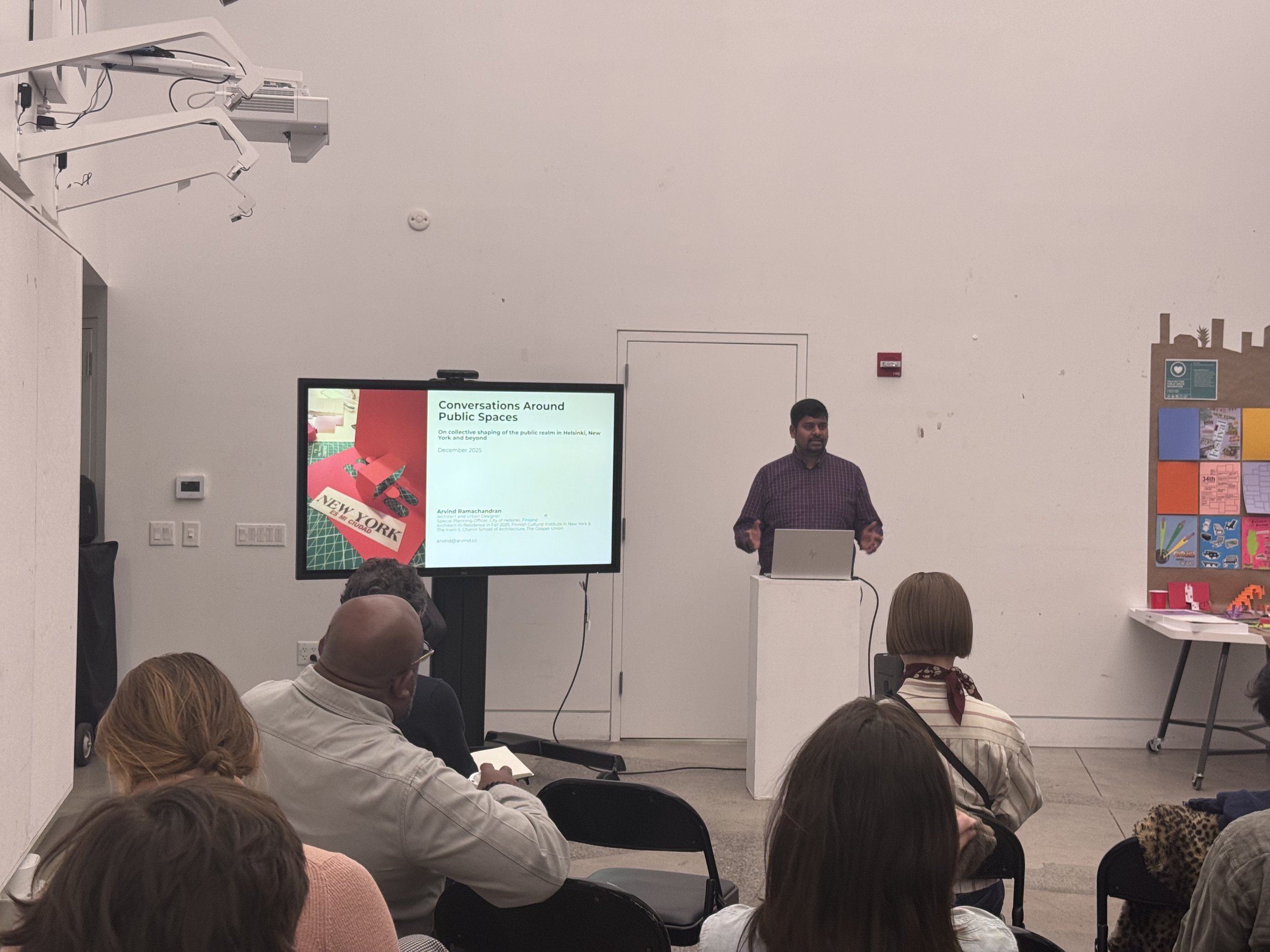
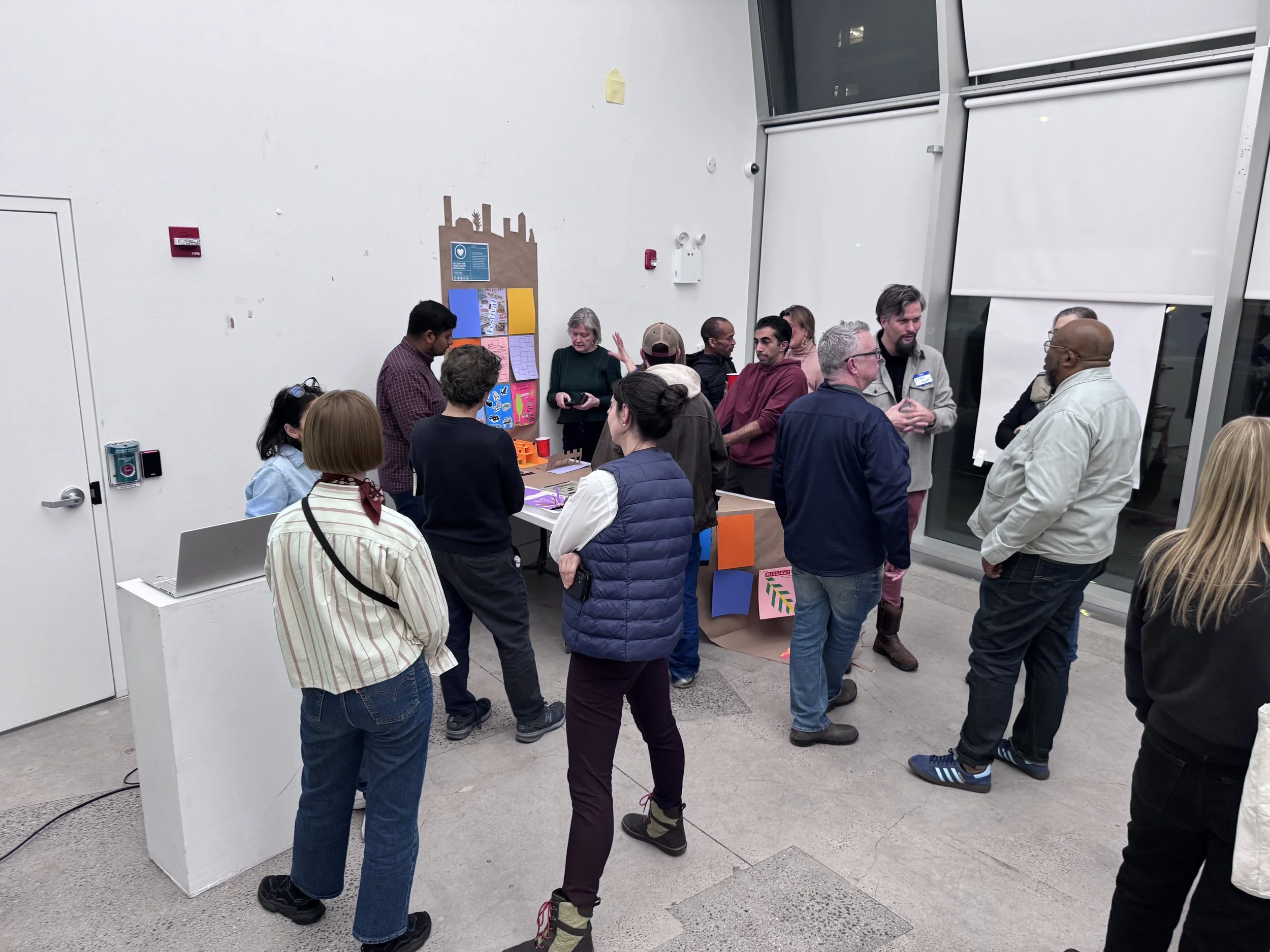
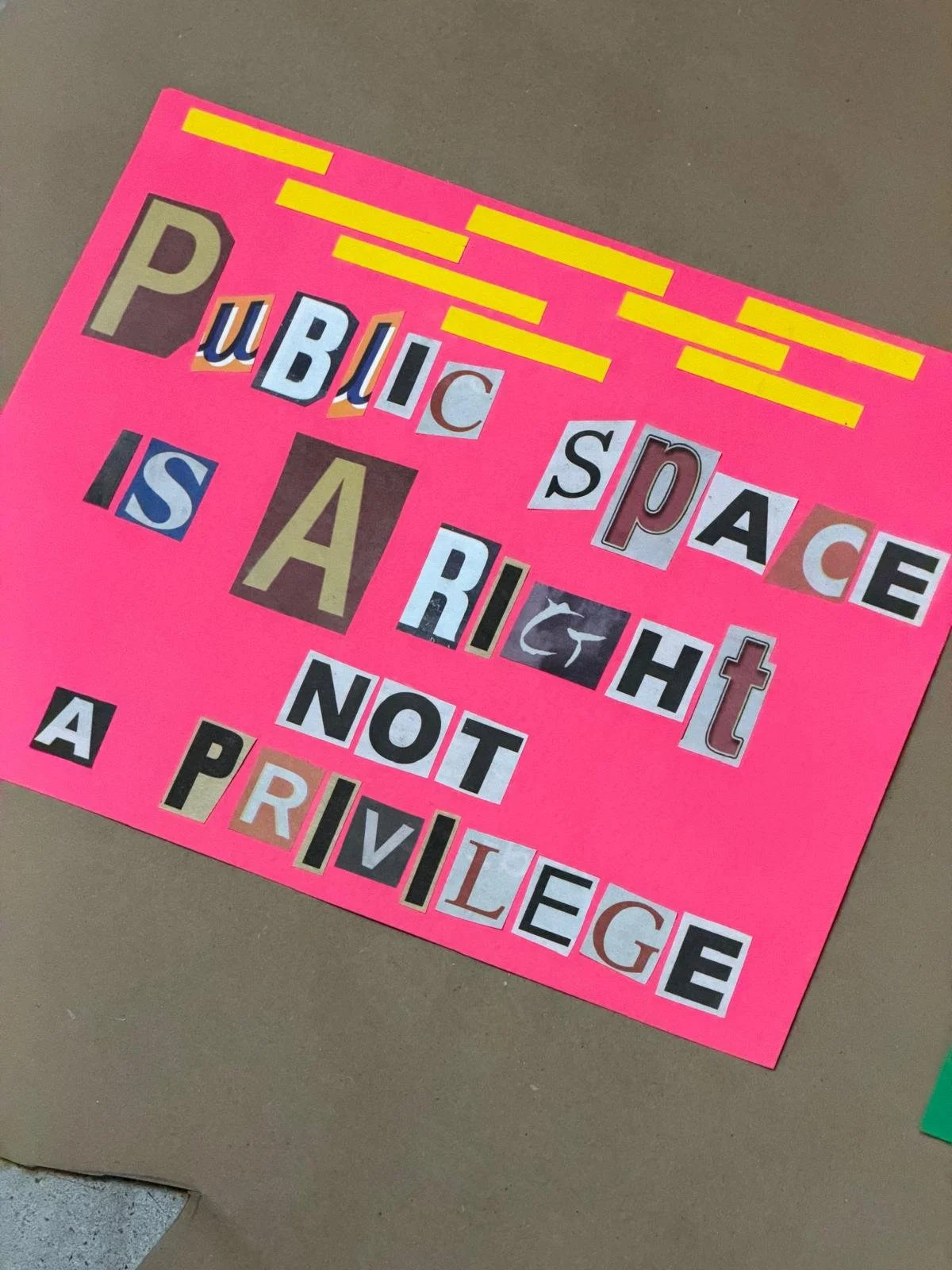
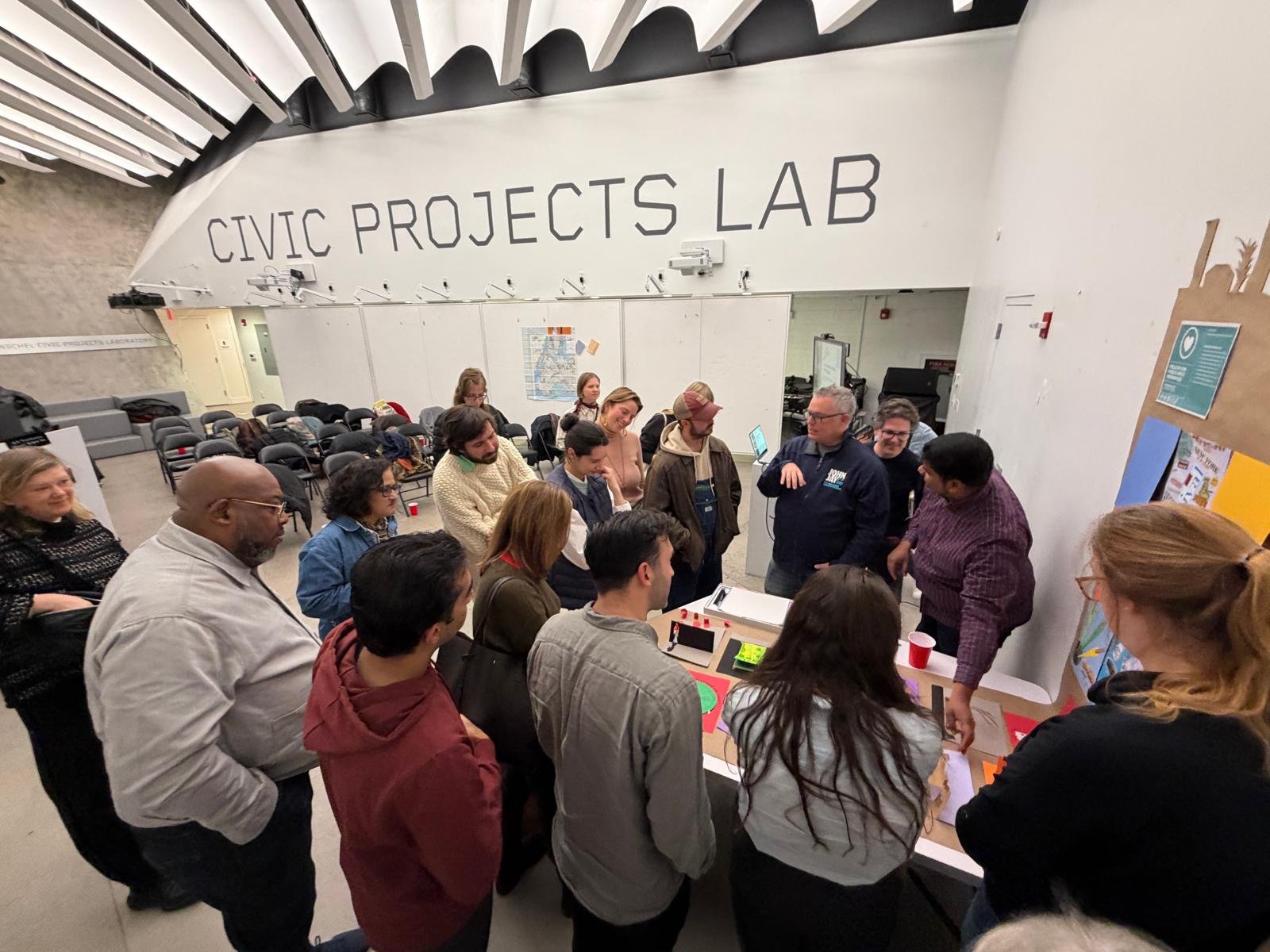
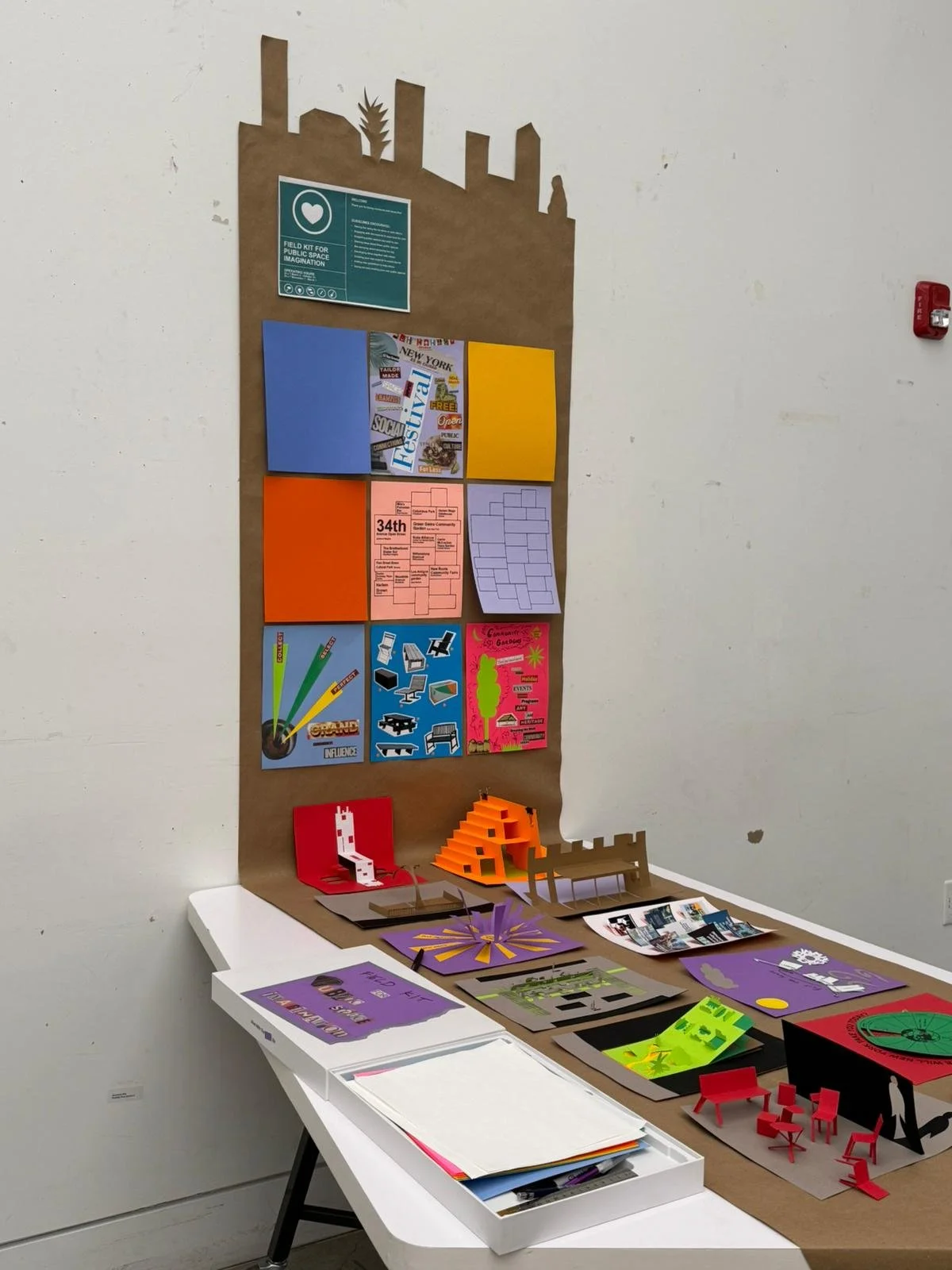
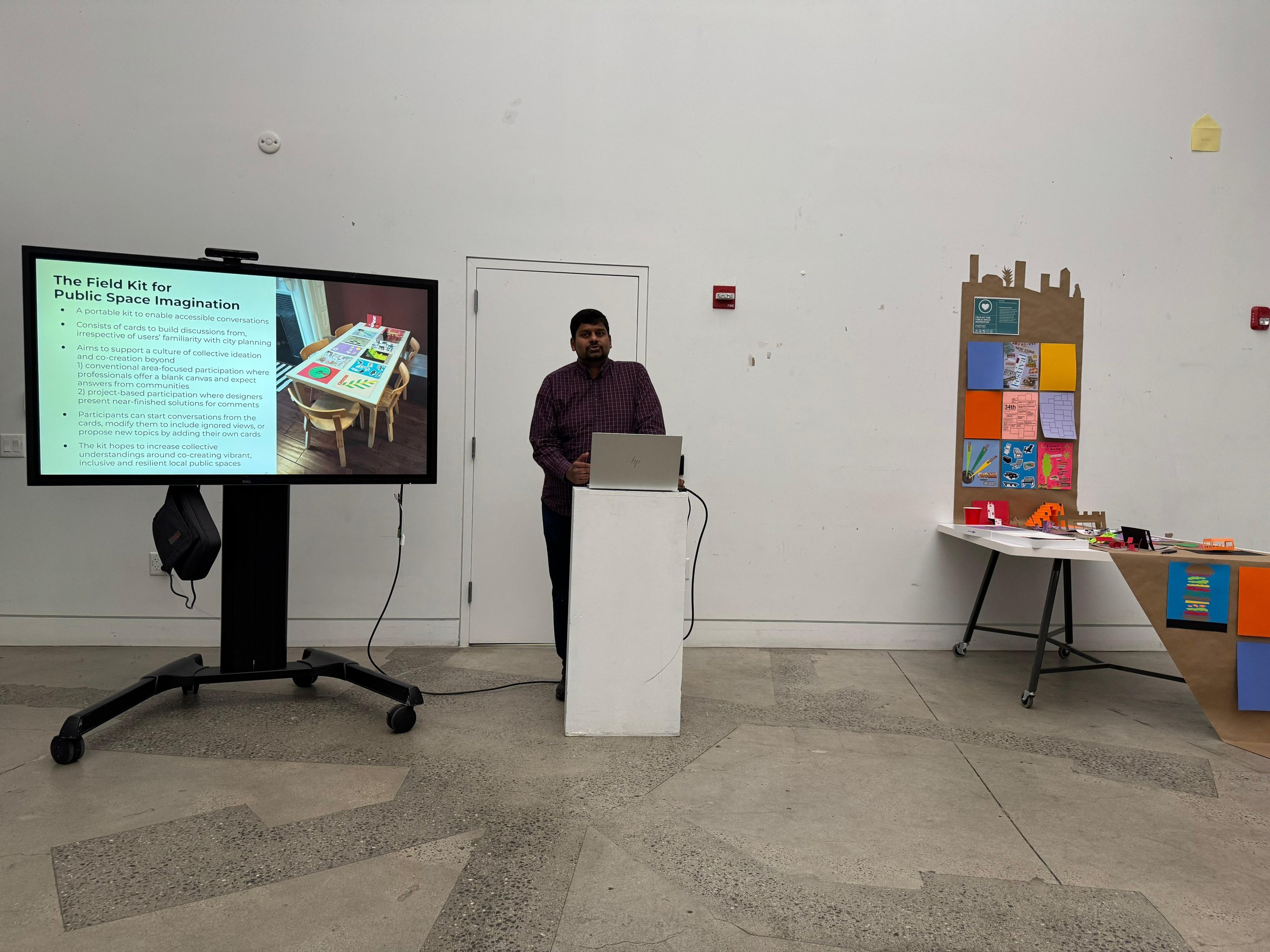
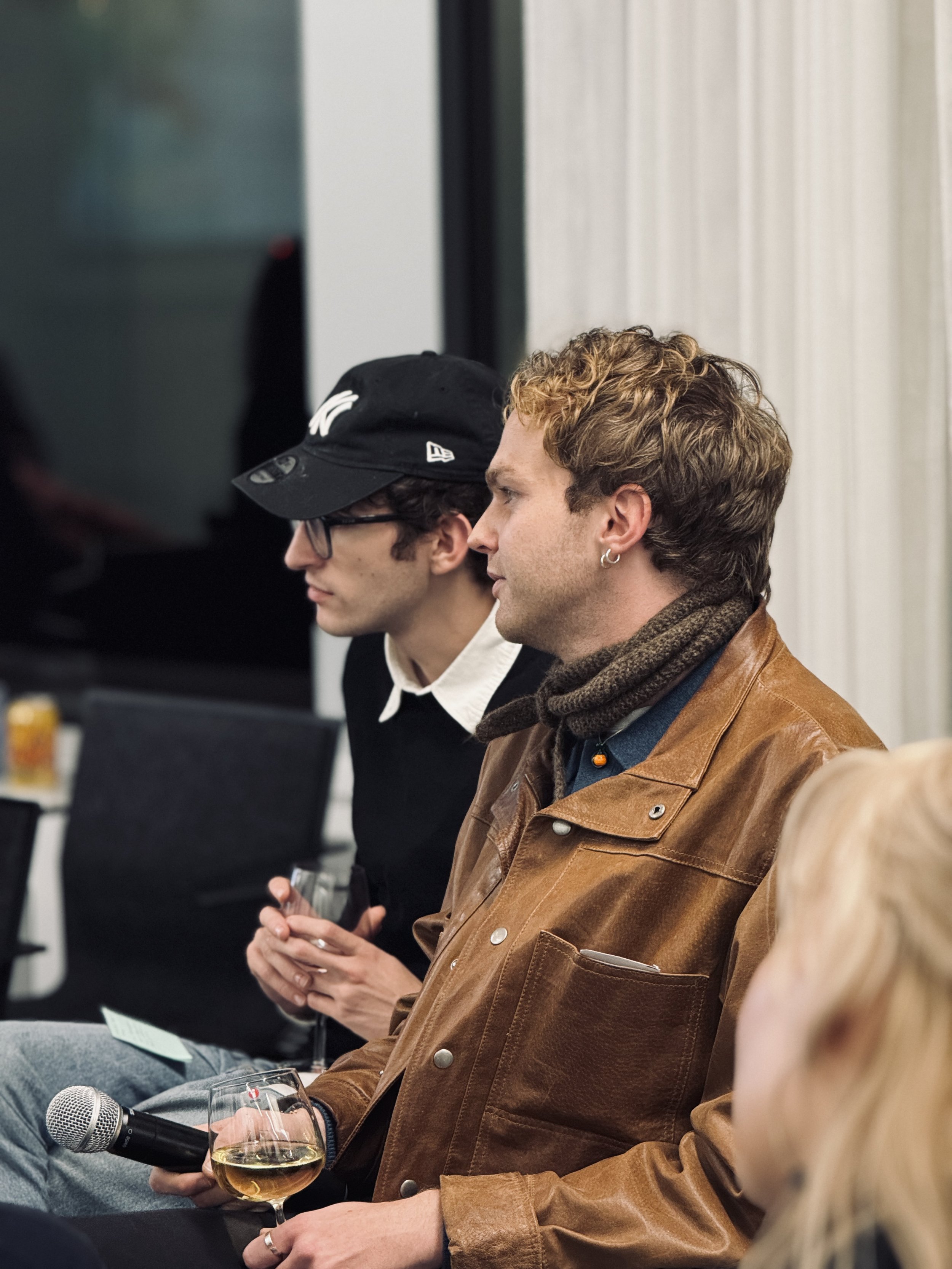

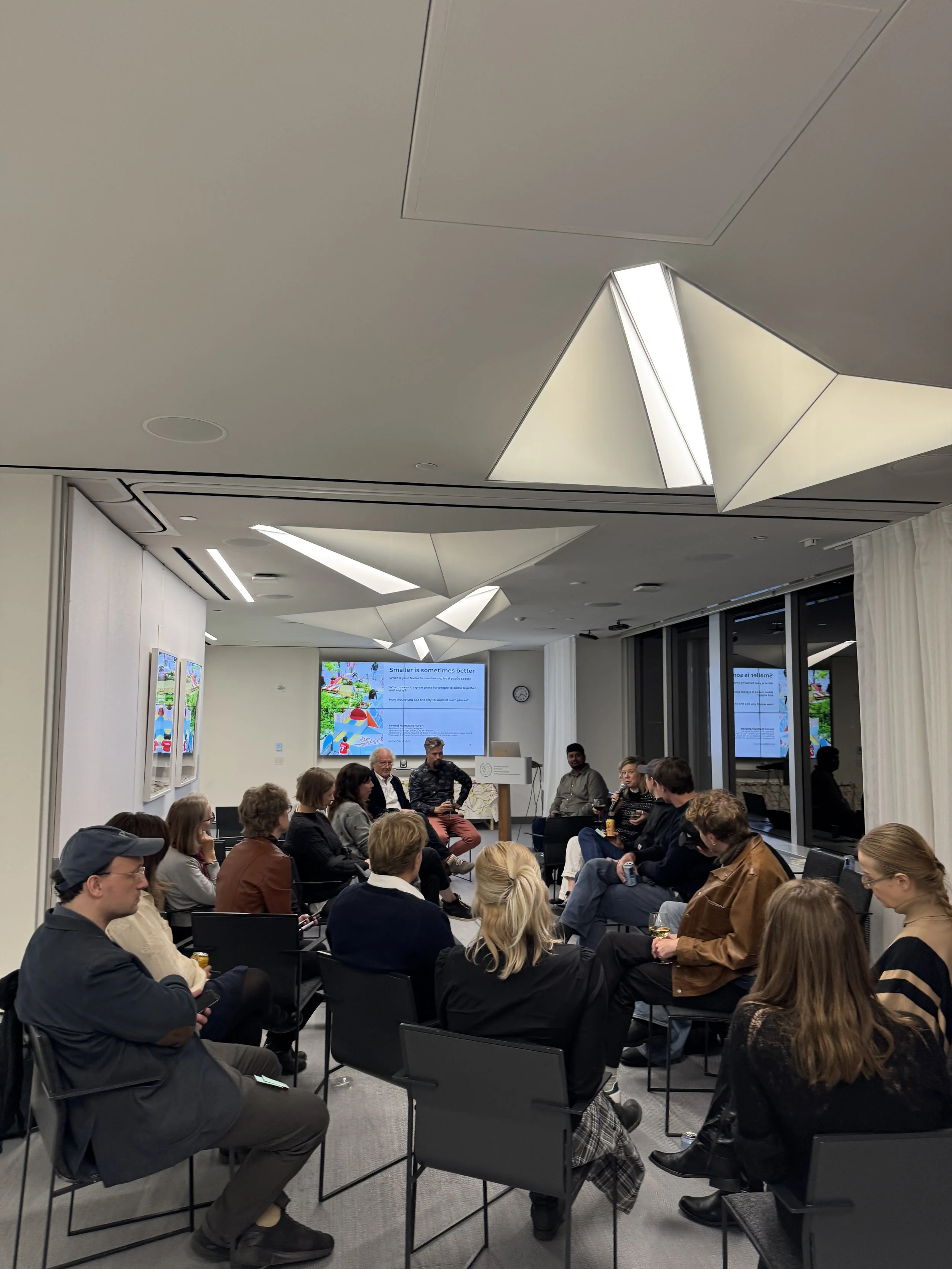
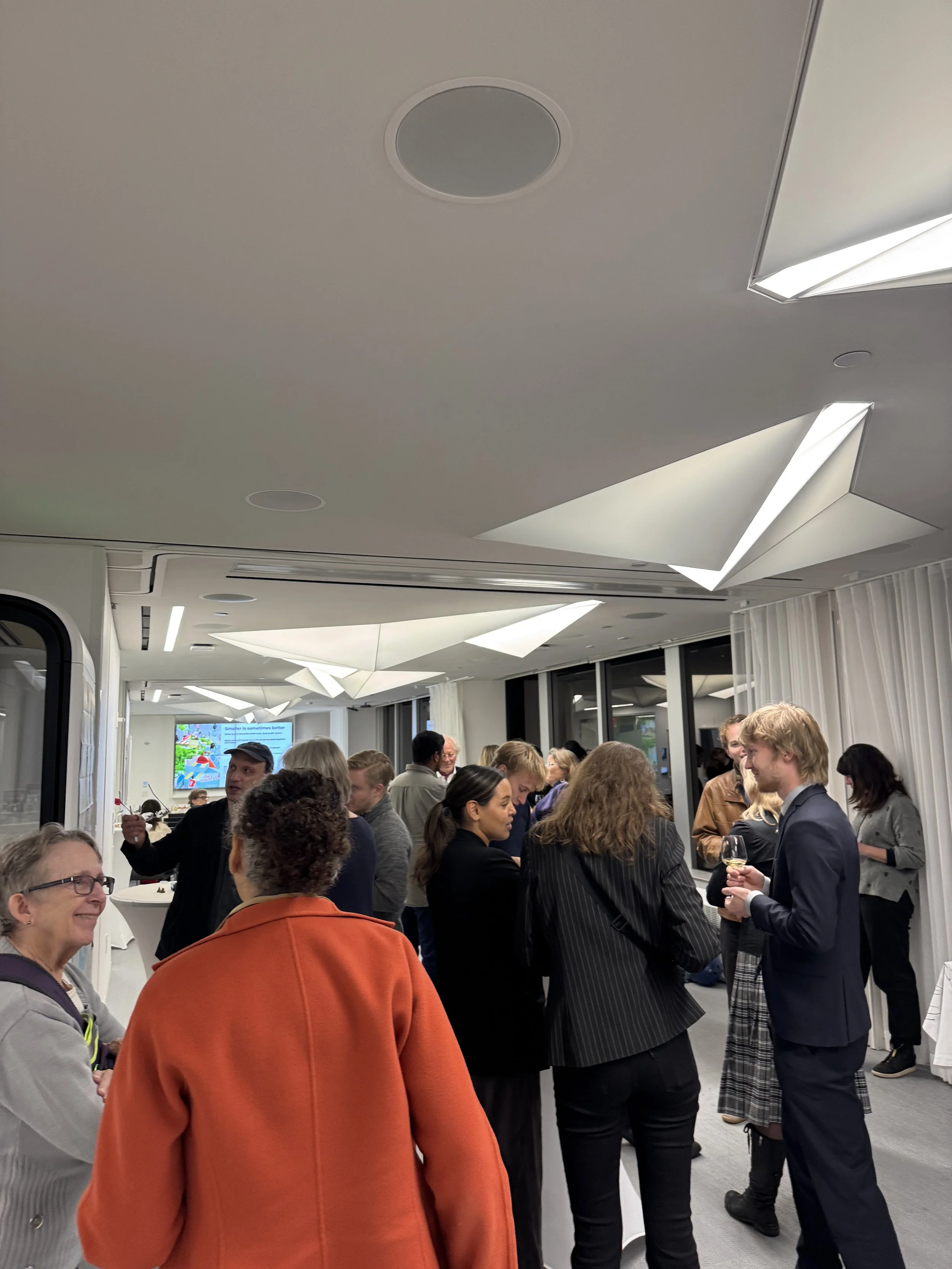
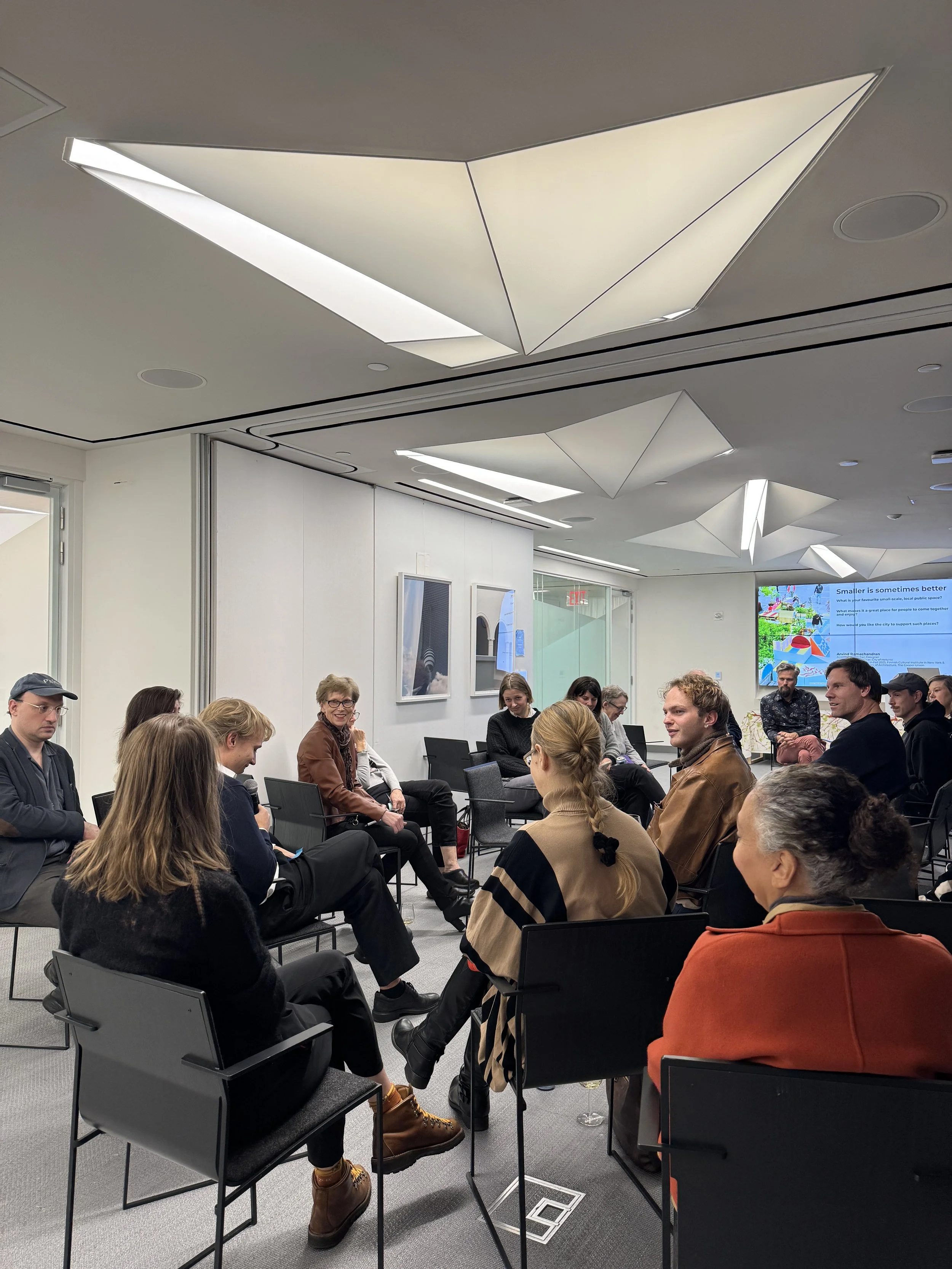
𝗗𝘂𝗿𝗶𝗻𝗴 𝘁𝗵𝗲 𝗿𝗲𝘀𝗶𝗱𝗲𝗻𝗰𝘆, 𝘆𝗼𝘂 𝗵𝗮𝗱 𝗽𝘂𝗯𝗹𝗶𝗰 𝗲𝘃𝗲𝗻𝘁𝘀 𝘀𝘂𝗰𝗵 𝗮𝘀 𝘁𝗵𝗲 𝗔𝗿𝗰𝗵𝘁𝗼𝗯𝗲𝗿 𝘁𝗮𝗹𝗸 “𝗦𝗺𝗮𝗹𝗹𝗲𝗿 𝗜𝘀 𝗦𝗼𝗺𝗲𝘁𝗶𝗺𝗲𝘀 𝗕𝗲𝘁𝘁𝗲𝗿, 𝗮𝗻𝗱 𝘆𝗼𝘂𝗿 𝗲𝗻𝗱𝗶𝗻𝗴 𝗲𝘃𝗲𝗻𝘁 𝗖𝗼𝗻𝘃𝗲𝗿𝘀𝗮𝘁𝗶𝗼𝗻𝘀 𝗔𝗿𝗼𝘂𝗻𝗱 𝗣𝘂𝗯𝗹𝗶𝗰 𝗦𝗽𝗮𝗰𝗲.”
Public events are a great way to engage in conversations on topics of shared interest with people that one might otherwise not meet. I had the privilege of not just attending a variety of such open events organised by libraries, museums and universities in New York, but was able to organise and speak at a few myself as well. These events helped me get in touch with New Yorkers of different backgrounds who are working with public spaces, and enabled a range of follow-up discussions and visits. Three months can feel quite short with a topic as wide as mine in a city as vast as New York, so these open events were a great way to find my way through all the great things happening around public spaces in the city.
𝗣𝗵𝗼𝘁𝗼𝘀 𝗯𝘆 𝗘𝗺𝗺𝗮 𝗧𝗲𝗿𝗺𝗼𝗻𝗲𝗻, 𝗛𝗮𝗿𝗿𝗶𝗶𝗻𝗮 𝗥ä𝗶𝗻ä, 𝗘𝘁𝗵𝗮𝗻 𝗞𝗲𝗻𝘁, 𝗮𝗻𝗱 𝗗𝗼𝗻𝗼𝘃𝗮𝗻 𝗙𝗶𝗻𝗻.𝗛𝗼𝘄 𝗱𝗼 𝗮𝗿𝗰𝗵𝗶𝘁𝗲𝗰𝘁𝘂𝗿𝗲 𝗮𝗻𝗱 𝘂𝗿𝗯𝗮𝗻 𝗱𝗲𝘀𝗶𝗴𝗻 𝗶𝗻 𝗙𝗶𝗻𝗹𝗮𝗻𝗱 𝗮𝗻𝗱 𝗡𝗲𝘄 𝗬𝗼𝗿𝗸 𝗱𝗶𝗳𝗳𝗲𝗿 𝗶𝗻 𝘆𝗼𝘂𝗿 𝗼𝗽𝗶𝗻𝗶𝗼𝗻, 𝗮𝗻𝗱 𝘄𝗵𝗮𝘁 𝗶𝗱𝗲𝗮𝘀 𝗼𝗿 𝗮𝗽𝗽𝗿𝗼𝗮𝗰𝗵𝗲𝘀 𝘄𝗼𝘂𝗹𝗱 𝘆𝗼𝘂 𝗹𝗶𝗸𝗲 𝘁𝗼 𝗯𝗿𝗶𝗻𝗴 𝗯𝗮𝗰𝗸 𝘄𝗶𝘁𝗵 𝘆𝗼𝘂 𝗳𝗿𝗼𝗺 𝗡𝗲𝘄 𝗬𝗼𝗿𝗸?
Aside from the fact that New York as a city has way more people and a lot more diversity than Finland as a whole, the most important takeaway for me was the attitude that New Yorkers have. Coming together to shape and steward space was a natural thing for many locals, and lack of budget, political will, time or resources seemed to not matter as much as it does in Finland. A culture of trying new things, embracing differences, learning through trial and error, and attempting to constantly improve one’s surroundings is something I hope we can have more of in Finland.
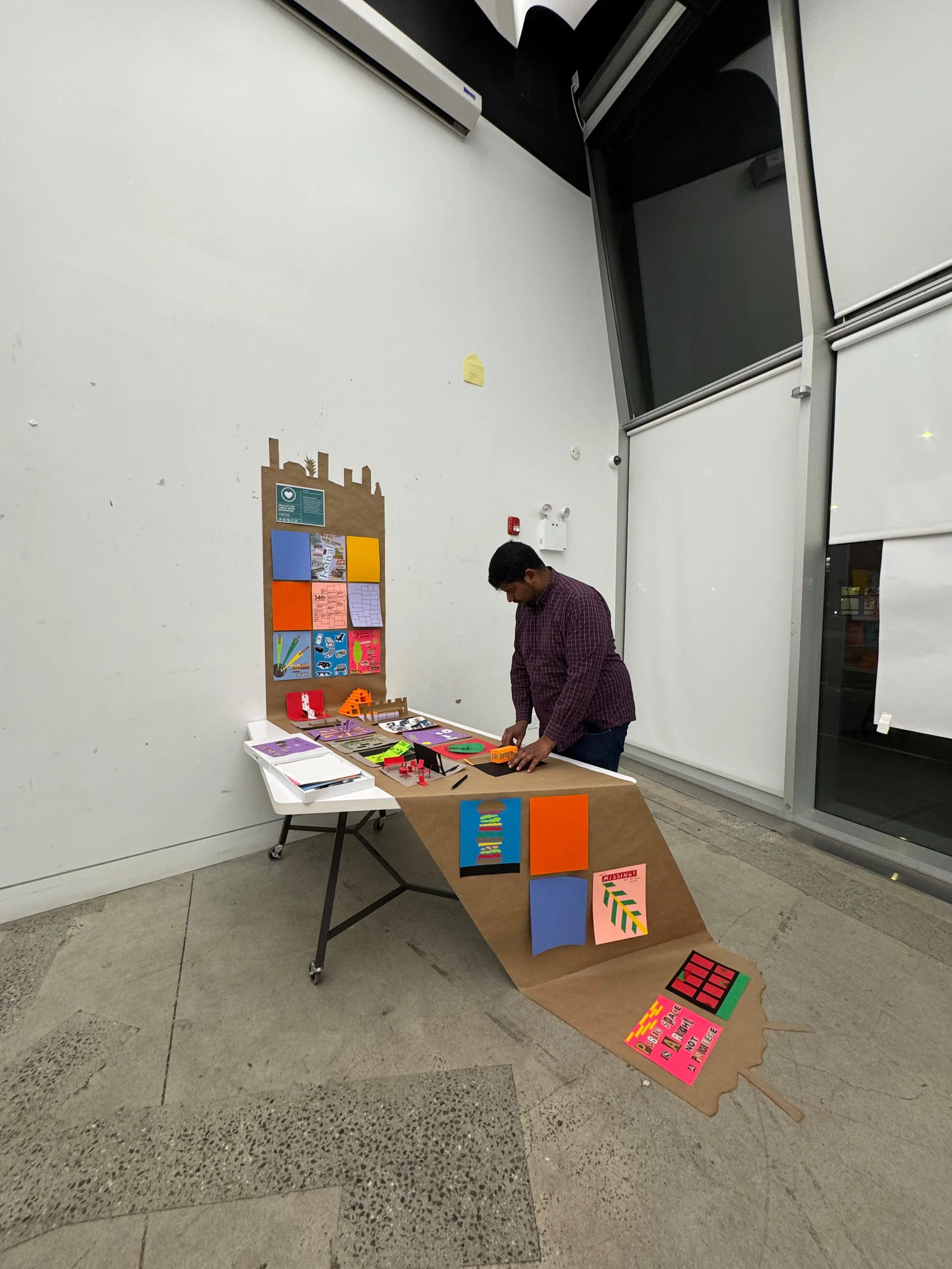
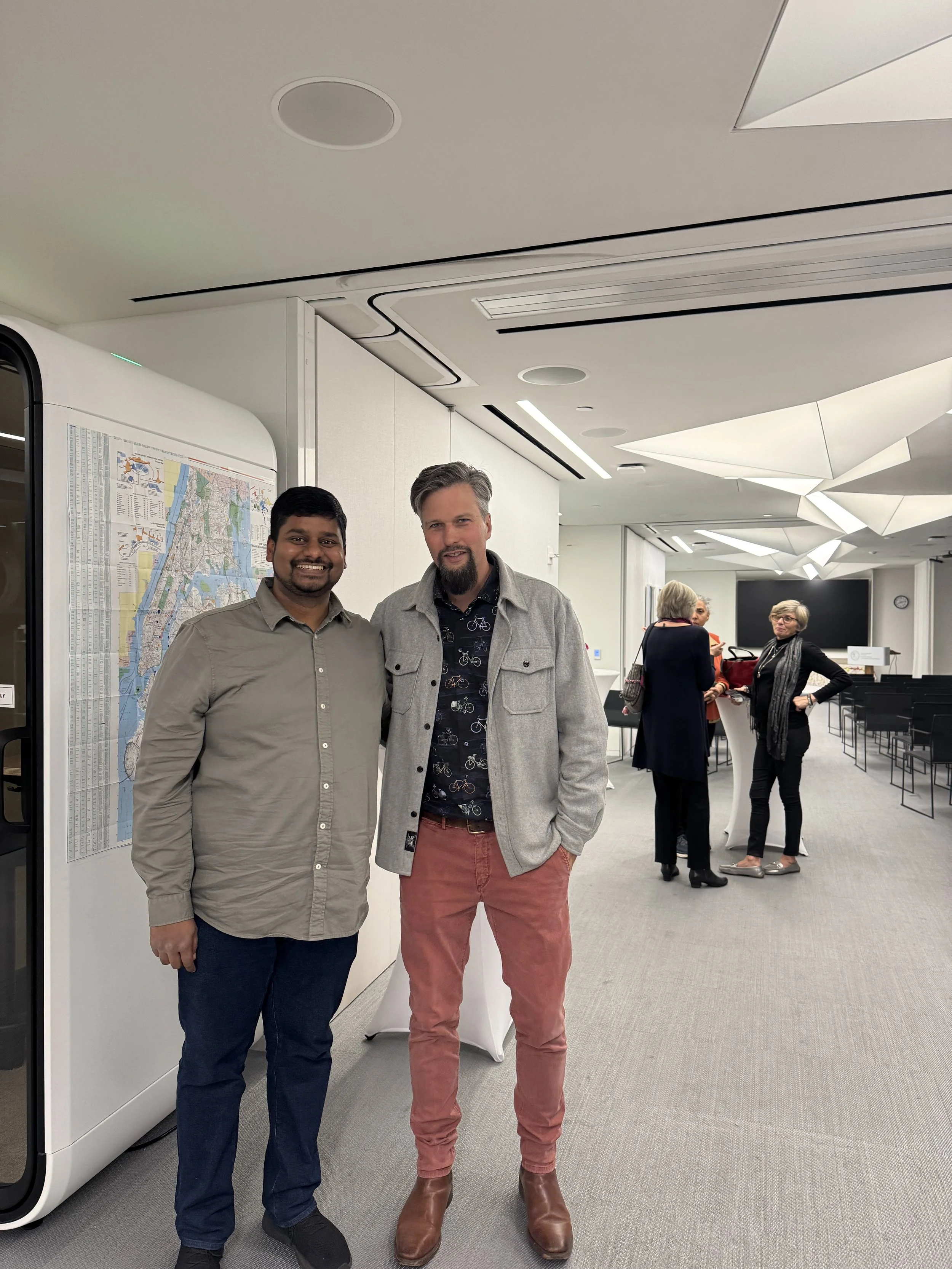
Photo by Harriina Räinä
𝗥𝗲𝘀𝗶𝗱𝗲𝗻𝗰𝗶𝗲𝘀 𝗮𝗿𝗲 𝗼𝗳𝘁𝗲𝗻 𝗮𝗯𝗼𝘂𝘁 𝗲𝘅𝗰𝗵𝗮𝗻𝗴𝗲 𝗮𝗻𝗱 𝗱𝗶𝗮𝗹𝗼𝗴𝘂𝗲. 𝗪𝗵𝗮𝘁 𝗸𝗶𝗻𝗱𝘀 𝗼𝗳 𝗰𝗼𝗻𝘃𝗲𝗿𝘀𝗮𝘁𝗶𝗼𝗻𝘀, 𝗰𝗼𝗹𝗹𝗮𝗯𝗼𝗿𝗮𝘁𝗶𝗼𝗻𝘀, 𝗼𝗿 𝗰𝗼𝗻𝗻𝗲𝗰𝘁𝗶𝗼𝗻𝘀 𝗱𝗶𝗱 𝘆𝗼𝘂 𝗱𝗲𝘃𝗲𝗹𝗼𝗽 𝗶𝗻 𝗡𝗲𝘄 𝗬𝗼𝗿𝗸 𝘁𝗵𝗮𝘁 𝘆𝗼𝘂 𝗳𝗲𝗲𝗹 𝘄𝗶𝗹𝗹 𝗰𝗼𝗻𝘁𝗶𝗻𝘂𝗲 𝘁𝗼 𝗶𝗻𝗳𝗹𝘂𝗲𝗻𝗰𝗲 𝘆𝗼𝘂𝗿 𝘄𝗼𝗿𝗸?
The residency brought me in contact with a number of individuals, communities and organisations, especially in the underserved outer neighbourhoods of New York. I am especially grateful for the chance to interact with those outside academia and design practice, and understand what New Yorkers want from their public spaces and their city. I look forward to continuing to engage with these partners in future, for the challenges that our cities face as well as opportunities that dense urban living presents are remarkably similar across the globe.
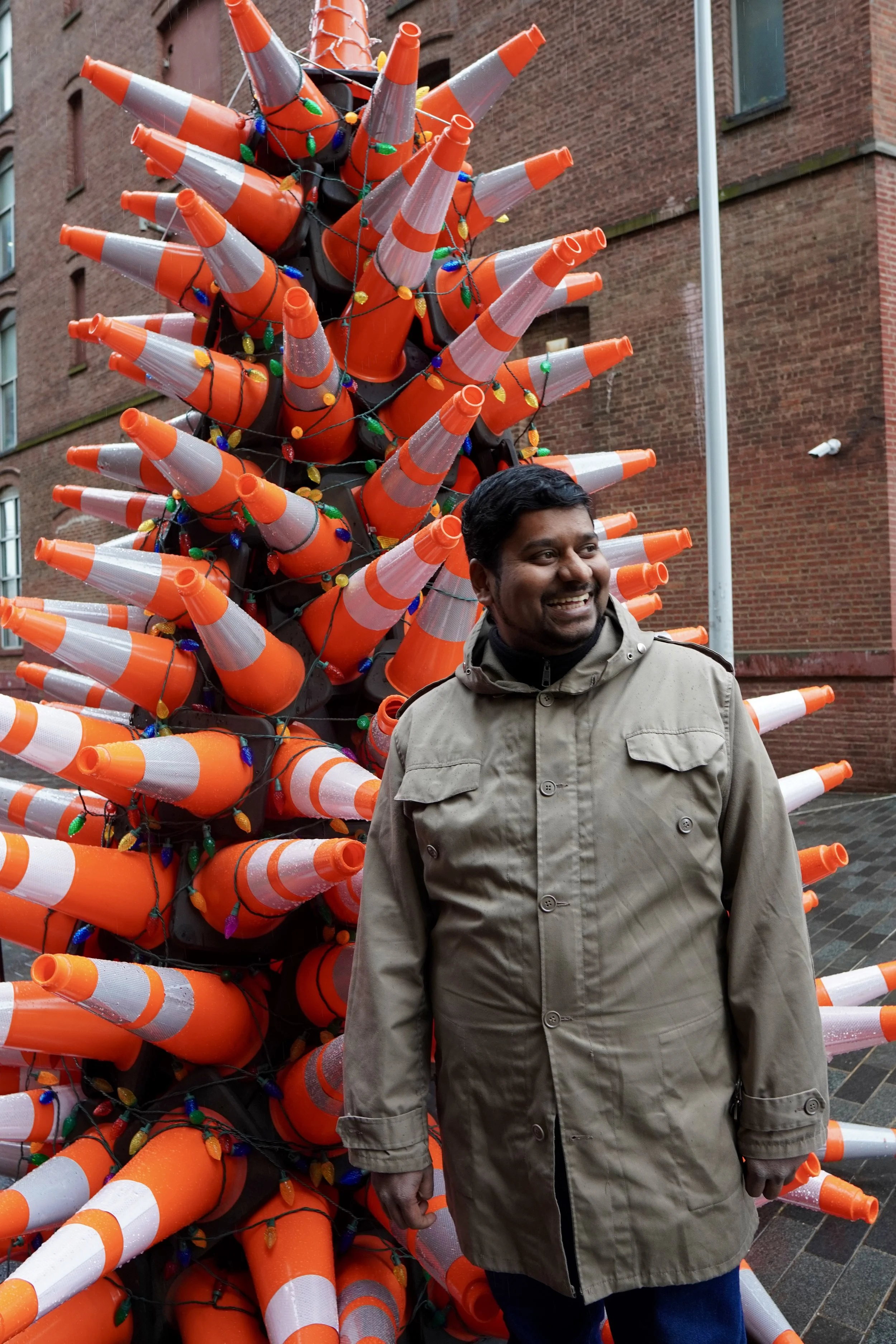
Photo by Emma Termonen
𝗟𝗼𝗼𝗸𝗶𝗻𝗴 𝗯𝗮𝗰𝗸 𝗻𝗼𝘄, 𝘄𝗵𝗮𝘁 𝘄𝗲𝗿𝗲 𝘁𝗵𝗲 𝗺𝗼𝘀𝘁 𝗶𝗺𝗽𝗼𝗿𝘁𝗮𝗻𝘁 𝗼𝘂𝘁𝗰𝗼𝗺𝗲𝘀 𝗼𝗳 𝘁𝗵𝗲 𝗿𝗲𝘀𝗶𝗱𝗲𝗻𝗰𝘆 𝗳𝗼𝗿 𝘆𝗼𝘂, 𝗯𝗼𝘁𝗵 𝗽𝗿𝗼𝗳𝗲𝘀𝘀𝗶𝗼𝗻𝗮𝗹𝗹𝘆 𝗮𝗻𝗱 𝗽𝗲𝗿𝘀𝗼𝗻𝗮𝗹𝗹𝘆?
My biggest takeaway was being reminded how patience, determination and collaboration can come together to create incredible results even in challenging urban settings. New York is a city full of contradictions and challenges, and despite that a diverse group of inhabitants manages to steward a plethora of truly fascinating places across the metropolis. I look forward to continuing to learn from New York and New Yorkers after my residency, and hope to continue sharing learnings from my own work as well.
Website: arvindramachandran.com
Interview questions by Emma Termonen
Published: January 6, 2026